
Unveiling the Hidden Weakness: Mastering the Art of Poker Domination
On this page
Welcome to the thrilling world of poker, where strategic thinking and psychological prowess converge to create a game like no other. In this high-stakes arena, the ability to exploit weakness in your opponents can be the difference between a crushing defeat and a resounding victory.
Signs of Weakness in Poker Opponents
Recognizing signs of weakness in your poker opponents is a critical skill that can give you a significant edge at the table. Some common indicators of weakness include:
- Trembling hands or nervous body language
- Excessive sweating or rapid breathing
- Frequent glances at their chips or cards
- Hesitation in making decisions
Applying Pressure in Poker
Once you’ve identified a weak opponent, it’s essential to apply pressure strategically to exploit their vulnerabilities. By aggressively betting and raising, you can force them into difficult decisions and capitalize on their uncertainty.
Real Poker Examples
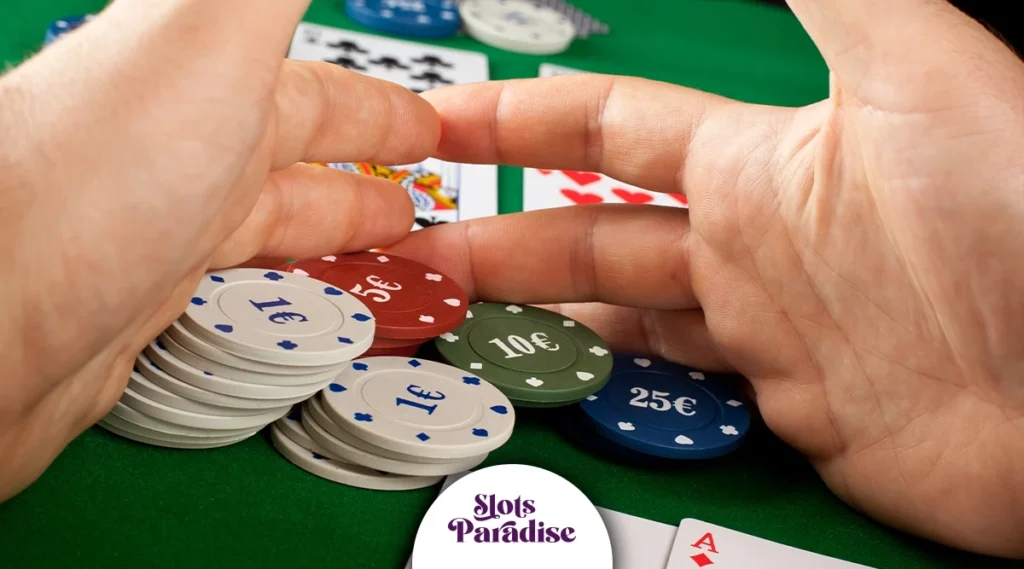
Imagine you’re in a hand with a player who has been exhibiting signs of weakness—a slight tremor in their hand as they reach for their chips. Seizing the opportunity, you decide to raise aggressively, knowing that their shaky confidence may lead them to fold.
Risks of Over-Aggression in Poker
While applying pressure can be a potent weapon in your poker arsenal, it’s crucial to be mindful of the risks of over-aggression. Recklessly pushing your advantage can backfire, leaving you vulnerable to skilled opponents who may exploit your aggressiveness.
Balancing Poker Strategy
Successful poker domination hinges on finding the delicate balance between aggression and restraint. By varying your playing style and adapting to different opponents, you can keep your adversaries guessing and maintain control of the table.
As you hone your skills in exploiting weakness in poker, remember that patience and strategic thinking are your greatest allies. By mastering the art of psychological warfare at the poker table, you can elevate your game to new heights and emerge victorious against even the most formidable opponents.
Disclosure: PokerClubGames may earn a commission when you use links to poker operators. This never changes the price you pay. 18+ (21+ where required). Gambling involves risk. How we make money