
Last Updated on April 10, 2026 by Bala Kumar
Welcome to the world of poker, where understanding hand potential can make or break your game. In this guide, we’ll delve deep into the concept of hand potential, distinguish between drawing hands and made hands, provide real-life examples, highlight common mistakes, and offer valuable tips to enhance your decision-making skills at the poker table.
What is Hand Potential?
Hand potential refers to the likelihood of your current hand evolving into a strong hand by the end of the round. It involves assessing the possible combinations and outcomes based on the community cards and your opponents’ behavior.
Drawing Hands vs. Made Hands
Drawing Hands:
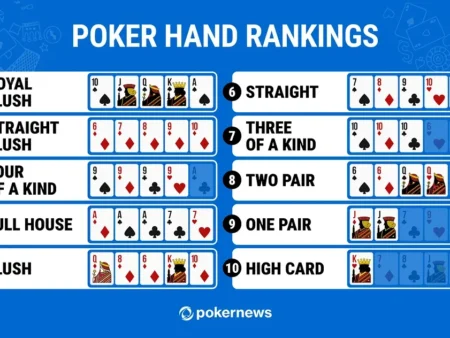
Drawing hands are incomplete hands that require specific cards to complete a strong combination, such as a straight or a flush. Examples include having four cards to a flush or an open-ended straight draw.
Made Hands:
Made hands are already complete hands that do not require additional cards to form a strong combination. Examples include having a pair, two pair, three of a kind, or a straight.
Real Examples
Imagine you hold two hearts in your hand, and the flop reveals two more hearts and a potential straight draw. You now have a flush draw and a straight draw, indicating high hand potential. In contrast, if you hold a pair of aces in your hand and the flop shows three cards of different suits, you already have a made hand with a strong pair.
Common Mistakes
One common mistake players make is overvaluing drawing hands without considering the probabilities of completing the draw. This often leads to unnecessary risks and losses. Another mistake is underestimating the potential of made hands and folding prematurely, missing out on potential victories.
Tips to Improve Decision-Making
- Calculate your outs to determine the probability of completing your drawing hand.
- Consider your opponents’ betting patterns and tendencies to gauge the strength of their hands.
- Practice patience and discipline by folding drawing hands with low probabilities.
- Utilize position to your advantage, especially when holding drawing hands.
- Study hand potential scenarios through poker training tools and resources.
Founder of PokerClubGames.com and a Poker Researcher with 10+ years of experience in SEO, WordPress development, and gaming content strategy. Specializes in researching online poker sites, poker apps, tournaments, bonuses, and poker strategies. Experienced in poker platform reviews, affiliate marketing, and creating SEO-focused poker content for global audiences.
For collaborations, media inquiries, or poker-related partnerships:
Contact: Info@hugecount.com