
Last Updated on May 9, 2026 by Bala Kumar
Are you looking to elevate your poker game and dominate the table like a pro? One of the most critical aspects of poker strategy is knowing when to be aggressive. Proper timing of your aggression can make the difference between a big win and a crushing defeat. In this article, we will delve into the best strategies for timing your aggression in poker, including when to bet, raise, and bluff effectively.
The Art of Aggressive Poker Strategy
Aggression in poker is a powerful tool that can help you control the pace of the game, dictate the action, and put pressure on your opponents. However, being too aggressive or not aggressive enough can backfire.
When to Bet
Knowing when to bet in poker is crucial. Bet sizing should be based on the strength of your hand, your position at the table, and your reads on your opponents. Consider betting when you have a strong hand to build the pot or when you want to bluff and represent a strong hand.
When to Raise
Raising in poker is a way to increase the stakes and put pressure on your opponents. Raise when you have a premium hand to extract value or when you want to bluff and force your opponents to fold. Remember to vary your raise sizes to keep your opponents guessing.
When to Bluff
Bluffing is an essential part of poker strategy, but timing is everything. Bluff when you have a good read on your opponent and believe they will fold to your bet. Avoid bluffing against calling stations or when the board texture does not favor your range.
Reading Your Opponents
One of the keys to successful aggression in poker is being able to read your opponents. Pay attention to their betting patterns, body language, and timing tells. Use this information to adjust your strategy and exploit their weaknesses.
Real Poker Examples
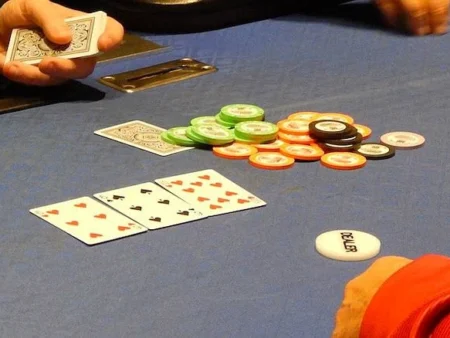
Let’s look at a real poker example to illustrate the importance of timing your aggression. You are in a heads-up pot with your opponent, and the board shows 8♠ 9♠ Q♣ 2♦ A♦. Your opponent checks, and you have a read that they are weak. This is a perfect opportunity to bluff and apply pressure with a well-timed bet or raise.
Common Mistakes in Aggression
One common mistake in poker is being overly aggressive, leading to unnecessary losses. On the other hand, being too passive can result in missed opportunities to capitalize on your opponents’ mistakes. Finding the right balance is key to mastering aggressive poker strategy.
Practical Tips for Applying Pressure
Here are some practical tips to help you apply pressure effectively in poker:
- Observe your opponents and adjust your aggression accordingly.
- Mix up your betting patterns to keep your opponents off balance.
- Use your table image to your advantage by switching between tight and aggressive play.
- Stay focused and avoid going on tilt after losing a hand.
By mastering the art of timing your aggression in poker, you can become a formidable player at the table. Remember to practice patience, observe your opponents, and be strategic in your decision-making. With the right blend of aggression and calculated risk-taking, you can take your poker game to the next level.
Founder of PokerClubGames.com and a Poker Researcher with 10+ years of experience in SEO, WordPress development, and gaming content strategy. Specializes in researching online poker sites, poker apps, tournaments, bonuses, and poker strategies. Experienced in poker platform reviews, affiliate marketing, and creating SEO-focused poker content for global audiences.
For collaborations, media inquiries, or poker-related partnerships:
Contact: Info@hugecount.com