
Last Updated on April 30, 2026 by Bala Kumar
Have you hit a plateau in your poker performance and feel like you’re not progressing as fast as you’d like? One vital practice that can significantly boost your skills and help you climb the ranks is reviewing your poker sessions. By analyzing your gameplay, identifying mistakes, and strategizing for improvement, you can take your game to the next level. In this guide, we’ll delve into why reviewing matters, what to look for during your session reviews, tools and methods to streamline the process, and actionable tips for maximizing your progress.
Why Reviewing Matters
Session review is the cornerstone of continuous improvement in poker. Just like athletes watch game tapes to refine their techniques, poker players must analyze their gameplay to pinpoint strengths, weaknesses, and areas for growth. By reviewing your sessions, you can:
- Identify recurring mistakes and leaks in your game.
- Study your opponents’ tendencies and adjust your strategies accordingly.
- Track your progress over time and set performance goals.
- Enhance your decision-making skills and develop a winning mindset.
What to Look for During Session Reviews
Key Areas to Focus on:
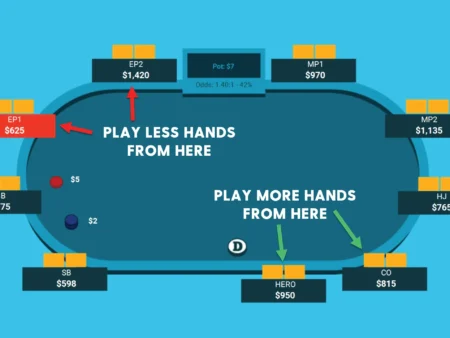
- Starting Hands: Evaluate your hand selection and consider adjustments based on position and opponents.
- Betting Patterns: Analyze your betting patterns for consistency and detect potential tells.
- Bluffing and Value Betting: Assess the effectiveness of your bluffs and value bets.
- Post-game Analysis: Reflect on key hands, decisions, and outcomes to understand your thought process.
Tools and Methods for Effective Review
1. Poker Tracking Software
Utilize tools like PokerTracker or Hold’em Manager to compile data on your gameplay, track statistics, and visualize trends over time.
2. Hand History Reviews
Go through your hand histories to dissect crucial moments, evaluate your decision-making process, and learn from past plays.
3. Peer Review Sessions
Discuss hands and strategies with fellow players or a poker coach to gain fresh perspectives and insights into your game.
Tips for Improvement
1. Stay Consistent:
Make session reviews a regular part of your poker routine to ensure continuous growth and learning.
2. Focus on Quality over Quantity:
Instead of rushing through reviews, prioritize in-depth analysis and thoughtful reflection on each hand.
3. Set Goals and Action Plans:
Establish specific goals based on your review findings and create actionable steps to implement changes in your gameplay.
4. Embrace Your Mistakes:
View mistakes as learning opportunities rather than failures, and use them to refine your strategies and decision-making process.
By incorporating these strategies into your poker routine and committing to regular session reviews, you can accelerate your progress, sharpen your skills, and elevate your game to new heights. Remember, improvement in poker is a journey, and reviewing your sessions is a crucial step towards mastering the game.
Founder of PokerClubGames.com and a Poker Researcher with 10+ years of experience in SEO, WordPress development, and gaming content strategy. Specializes in researching online poker sites, poker apps, tournaments, bonuses, and poker strategies. Experienced in poker platform reviews, affiliate marketing, and creating SEO-focused poker content for global audiences.
For collaborations, media inquiries, or poker-related partnerships:
Contact: Info@hugecount.com