
Last Updated on April 8, 2026 by Bala Kumar
When it comes to poker, understanding hand potential goes beyond the cards you hold. It’s about recognizing the possibilities and making informed decisions that can lead to victory. In this guide, we will delve into the concept of hand potential, distinguish between drawing hands and made hands, provide real-life examples, highlight common mistakes to avoid, and offer practical tips to enhance your decision-making skills at the poker table.
What is Hand Potential?
Hand potential refers to the likelihood of your hand improving and becoming stronger as the community cards are revealed during the course of a poker hand. It involves evaluating the possibilities of forming a winning hand based on the cards you currently hold and the potential combinations that can be created.
Drawing Hands vs. Made Hands
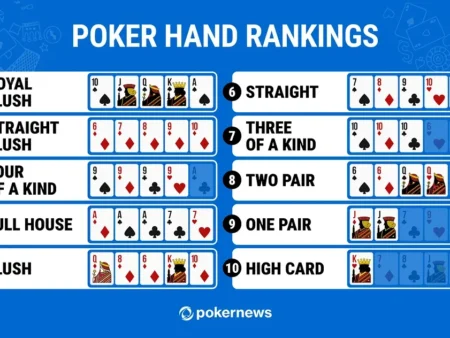
Drawn hands are hands that are not yet complete but have the potential to become strong if the right cards are dealt. Examples include flush draws, straight draws, and draws to a full house. On the other hand, made hands are already complete and considered strong enough to win without further improvement. It’s crucial to distinguish between the two and adjust your strategy accordingly.
Real Examples
Imagine you’re holding two spades in your hand, and the flop comes with two more spades. You now have a flush draw, which means you need one more spade to complete a flush. This is a classic example of a drawing hand with significant potential if the next card is in your favor.
Common Mistakes to Avoid
- Overvaluing drawing hands: It’s easy to get carried away with drawing hands and invest too much in chasing a particular card. Be mindful of the odds and don’t fall into the trap of chasing unlikely outcomes.
- Ignoring potential combinations: Sometimes, players focus too much on their own hand without considering the possible hands their opponents could have. Always assess the range of hands your opponents might be holding.
- Playing passively with made hands: While made hands are strong, being too cautious can lead to missed opportunities. Don’t be afraid to build the pot and maximize your winnings.
Tips to Improve Decision-Making
- Understand odds and probabilities: Familiarize yourself with the likelihood of certain cards appearing and calculate your chances of improving your hand.
- Pay attention to opponents’ behavior: Observe how your opponents bet and react to different situations. Their actions can provide valuable clues about the strength of their hands.
- Practice makes perfect: The more you play and analyze your decisions, the better you’ll become at assessing hand potential and making informed choices.
By thinking beyond your cards and focusing on hand potential, you can elevate your poker game to a new level. Remember, poker is not just about the cards you hold but how you strategically assess and leverage the possibilities within each hand.
Founder of PokerClubGames.com and a Poker Researcher with 10+ years of experience in SEO, WordPress development, and gaming content strategy. Specializes in researching online poker sites, poker apps, tournaments, bonuses, and poker strategies. Experienced in poker platform reviews, affiliate marketing, and creating SEO-focused poker content for global audiences.
For collaborations, media inquiries, or poker-related partnerships:
Contact: Info@hugecount.com