
Last Updated on July 29, 2026 by Bala Kumar
If you’ve ever left a home game or a low-stakes table wondering where your stack went, you’re not alone. Most new players lose money in the exact same ways, not because they’re unlucky, but because a handful of fixable habits are quietly draining their chips every session. This poker strategy for beginners guide breaks down a simple, tight aggressive poker framework that turns “knowing the rules” into actually understanding how to win at poker.
Whether you’re brand new to the felt or just looking to sharpen your fundamentals, this beginner poker strategy walkthrough covers everything from poker starting hands and poker position strategy to reading pot odds and avoiding the traps that quietly bleed beginners dry.
Why Most Beginners Lose Money at Poker: Common Texas Hold’em Tips Ignored
New players tend to fall into the same traps over and over:
They play too many starting hands. Any ace or suited two-gapper starts to look playable when you’re excited to be in a hand — but only a fraction of starting hands are profitable long-term, and disciplined players fold the rest.
They call instead of raising or folding. Calling feels safe, but it’s usually the weakest option at the table. A bet or raise can win the pot two ways — either your opponent folds, or you have the best hand at showdown. A call can only win one way.
They ignore table position. Acting after your opponents gives you information they don’t have. Acting first means guessing blind. Strong players play noticeably more hands from late position than early position — beginners often play the same range everywhere and wonder why they keep getting outplayed.
They tilt after a bad beat. Losing a hand you played correctly is part of poker. Trying to “win it back” immediately with reckless, emotional decisions is one of the fastest ways to turn one bad beat into a ruined session.
The Three Pillars: Math, Psychology, and Discipline
Every consistent winner leans on three connected skills.
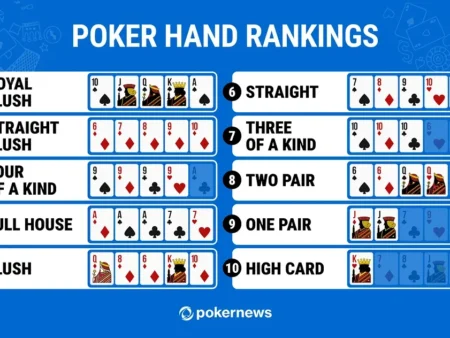
Math doesn’t need to be complicated at the beginner level. You need to know your hand rankings cold, understand basic pot odds (comparing what you need to call against what’s already in the pot), and eventually get comfortable with the idea of expected value — whether a decision is profitable on average over the long run.
Psychology at low stakes is simpler than it looks on TV. Forget dramatic tells — just track how often someone plays and how aggressively they bet. A player who plays almost every hand rarely bluffs; bet your good hands into them. A tight player who suddenly raises usually has a monster; give them credit and fold.
Discipline is the multiplier that makes the other two matter. You can understand the math and read your opponents well and still lose money if you can’t fold a hand you’re excited about, walk away from a table when frustrated, or stick to a bankroll limit. Strong math plus strong reads plus weak discipline still adds up to a losing player.
Setting the Right Expectations: Variance Is Real
You can make a mathematically perfect decision and still lose the hand. Pocket aces lose to pocket kings roughly one time in five when all the money goes in preflop — that’s not a mistake, that’s variance. Over a large enough sample, skill wins out; in any single session, luck can dominate.
The trap most beginners fall into is judging themselves by results instead of decisions. A better standard is asking “did I play this well?” rather than “did I win this hand?” Setting a loss limit before you sit down, not obsessing over single-session results, and stepping away when you notice yourself getting frustrated are simple habits that protect both your bankroll and your decision-making.
Step 1: Preflop — What Hands Should Beginners Play?
Strong players fold a large majority of their starting hands — often around 70% or more. The hands worth playing depend heavily on position:
- Early position (first to act): Stick to premium hands — big pocket pairs, strong aces, and big suited broadway cards. You have no information yet and everyone acts after you.
- Middle position: A few players have already folded, lowering the odds someone’s holding a monster. You can reasonably add medium pairs, good suited aces, and suited broadway combinations.
- Late position (cutoff and button): This is where your range opens up the most. Acting last after the flop is a major structural advantage, so small pairs, suited connectors, and weaker suited aces all become playable.
The raise-or-fold rule: if a hand is worth playing, it’s worth raising. Limping — just calling the big blind — gives up your chance to win the pot before the flop and signals weakness to attentive opponents. A standard opening raise is roughly 2.5–3 big blinds, adding one more big blind per limper already in the pot.
Step 2: Using Position as Your Biggest Edge
The exact same hand can be a clear fold from early position and an easy raise from the button. Position determines how much information you have before you have to act, how much control you have over the size of the pot, and how believable your bluffs are.
When you’re stuck out of position, tighten your range, lean on the check-raise as your main defensive weapon, and accept that your goal with marginal hands is minimizing losses rather than maximizing wins. A simple mental model: play roughly your top 10–15% of hands from early position, 15–25% from middle position, and up to 30–50% from the button when the action folds to you.
Step 3: Common Traps That Cost Beginners the Most Money
- Top pair, weak kicker: hitting top pair feels great until you realize how many better kickers you’re losing to when a tight opponent applies serious pressure.
- Calling down out of curiosity: one call against aggression can be reasonable; three streets of calling “to see” is usually a slow bleed.
- Playing big pots out of position: without position, you’re guessing at every street — marginal hands played from the blinds create the toughest, most expensive spots in poker.
- Slow-playing strong hands: checking a big hand to “trap” gives free cards on dangerous boards. Betting protects your equity and still gets called by worse hands more often than beginners expect.
- Sunk-cost thinking: chips you’ve already put in the pot aren’t yours anymore. The only question that matters is whether calling right now is profitable.
- Overcomplicating strong hands: at low stakes, disguising pocket aces by just calling usually isn’t necessary — most opponents aren’t thinking several moves ahead. Bet your good hands and let people pay to find out.
Step 4: Postflop Decisions Made Simple
After the flop, boil every decision down to three questions:
- Do I have a strong made hand? (Top pair with a good kicker or better) → Bet for value, typically half to two-thirds of the pot.
- Do I have a strong draw? (Flush draw, open-ended straight draw) → Check your pot odds and consider a semi-bluff, since you can win either by folding out your opponent now or by hitting your card later.
- Do I have nothing? → Fold to real pressure instead of calling just to see what happens.
Board texture matters too: dry boards (few draws, disconnected cards) generally favor whoever raised preflop, while wet boards (multiple draws possible) call for more caution with one-pair type hands.
Quick Reference: Core Rules for Beginners
- Play tighter from early position, wider from late position
- Raise or fold — avoid limping
- Bet your strong hands for value instead of slow-playing
- Fold when the math and betting pattern say fold
- Position beats raw card strength over the long run
- If you’re tilting, stop playing — frustrated poker is expensive poker
Final Thoughts
None of this is flashy. Tight starting hand selection, respecting position, betting your strong hands, and folding when the math says to are unglamorous habits, but they’re the exact habits that separate long-term winners from players who keep reaching for their wallet. Master these fundamentals first, and the more advanced concepts (hand ranges, continuation betting, exploiting player types) will make far more sense once you’re ready for them.
FAQs
Should beginners limp preflop?
No — if a hand is good enough to play, it’s good enough to raise. Limping surrenders your chance to win the pot immediately and signals a weak range to sharper opponents.
What starting hands should a beginner play?
Start tight: big pairs, strong aces, and suited broadway hands from early position, widening to suited connectors and small pairs as your position improves.
How much should you bet on the flop?
Half to two-thirds of the pot is a solid default — size up on wet, draw-heavy boards and size down on dry boards where you mainly want calls from worse hands.
Is poker luck or skill?
Short-term results are heavily influenced by variance, but over a large enough sample, players who consistently make positive expected-value decisions come out ahead. That’s the entire premise behind professional poker.
What’s the fastest way to stop losing at poker?
Play fewer starting hands, respect your position, stop calling out of curiosity, and quit sessions when you notice tilt setting in. Most beginner losses trace back to playing too loose and calling too much.
Founder of PokerClubGames.com and a Poker Researcher with 10+ years of experience in SEO, WordPress development, and gaming content strategy. Specializes in researching online poker sites, poker apps, tournaments, bonuses, and poker strategies. Experienced in poker platform reviews, affiliate marketing, and creating SEO-focused poker content for global audiences.
For collaborations, media inquiries, or poker-related partnerships:
Contact: Info@hugecount.com