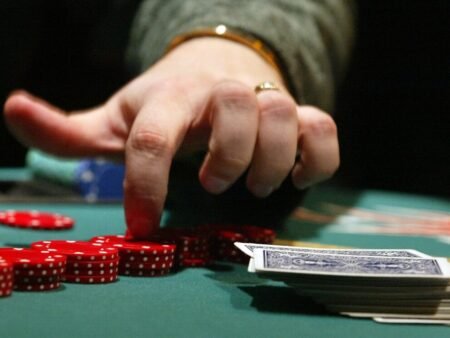

Picture this: You’re seated at the poker table, eyes fixed on the cards dealt to you. As the action unfolds, you notice a player limping into the pot. Limping, a passive move often underestimated, can spell disaster for your bankroll without you even realizing it.
What Limping Really Signals
Limping in poker typically signifies weakness. It’s a cautious play, where a player merely calls the big blind instead of raising or folding. While some might view it as a low-risk move to see more flops at a lower cost, it actually broadcasts vulnerability to astute opponents.
Why Good Players Punish It
Seasoned players view limping as an exploitable leak in an opponent’s strategy. It opens the door for aggression, allowing skilled adversaries to capitalize on the limper’s passivity. By punishing limpers with raises and re-raises, proficient players aim to take control of the hand and put pressure on weaker opponents.
Real Gameplay Scenarios
Imagine a scenario where Player A limps into the pot with a mediocre hand like 7-2 offsuit. Player B, recognizing this sign of weakness, seizes the opportunity to raise significantly. Player A, now caught off guard, is forced to either fold or play a hand they never intended to invest heavily in, putting them at a distinct disadvantage.
What to Do Instead
To avoid falling into the costly trap of limping, opt for a more assertive approach. Embrace a raise-or-fold mentality, where you either come in strong with a raise or have the discipline to fold weaker hands. By adopting a proactive strategy, you can dictate the pace of the game, assert your dominance, and keep your opponents guessing.
Remember, poker is a game of strategy, skill, and psychological warfare. Every decision you make at the table sends a message to your opponents. By eliminating limp plays from your repertoire, you not only safeguard your bankroll but also project strength and confidence at the poker table.
So, the next time you’re tempted to limp into a pot, pause and reconsider. By recognizing the true cost of limping in poker and making conscious efforts to eradicate this detrimental habit from your gameplay, you pave the way for enhanced performance, profitability, and success in every session.