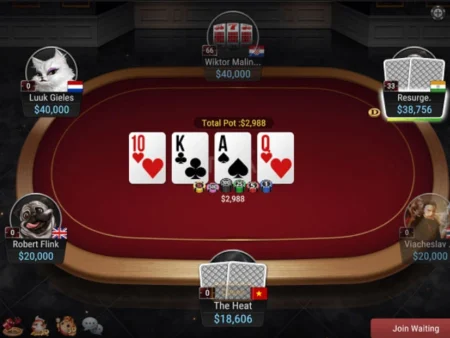

When it comes to poker, identifying weak players and capitalizing on their mistakes could significantly boost your success at the table. Exploiting these players is a skill that can be honed with experience and strategy. In this guide, we’ll delve into practical strategies on how to dominate weak poker players effectively.
Identifying Weak Players
The first step in exploiting weak players is to identify them at the table. Weak players often demonstrate tendencies that experienced players can spot.
Common Traits of Weak Players
- Playing Too Many Hands: Weak players tend to play a wide range of hands, even those with poor winning probabilities.
- Passive Play: They often check or call instead of betting or raising, missing out on opportunities to build the pot.
- Lack of Bluffing: Weak players are less likely to bluff or use deception in their gameplay.
- Tilt-Prone: Emotional players are more prone to going on tilt after losses, making them easier targets.
Common Mistakes Weak Players Make
Understanding the common mistakes weak players make is crucial in formulating a successful strategy to exploit them.
Mistakes to Look Out For
- Overvaluing Weak Hands: Weak players tend to overestimate the strength of their hands, leading to poor decision-making.
- Failure to Adapt: They often stick to one strategy regardless of changing game dynamics, making them predictable.
- Ignoring Odds: Weak players might not consider pot odds or probabilities when making bets, leading to inefficient play.
- Playing Passively: Fear of losing often results in passive play, missing opportunities to take control of the game.
Adjusting Your Strategy
Once you’ve identified weak players and understood their common mistakes, it’s time to adjust your strategy to exploit their vulnerabilities.
Strategic Adjustments
- Aggressive Play: Take advantage of weak players’ tendency to fold by increasing your aggression, especially in position.
- Value Betting: Capitalize on their propensity to call by making strong value bets with your premium hands.
- Bluffing Opportunities: Weak players are less likely to call bluffs, making them prime targets for well-timed bluffs.
- Exploiting Patterns: Identify patterns in weak players’ behavior and use them to exploit their predictability.