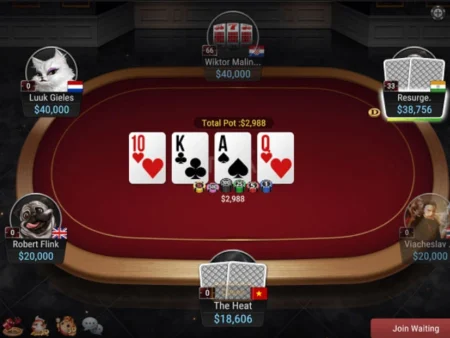
Position in poker is often underestimated yet plays a critical role in determining the outcome of a hand. Understanding why position matters and how to leverage it to your advantage can significantly improve your win rate at the tables. In this article, we will explore the importance of position in poker, from early to late positions, real hand examples, common mistakes to avoid, and practical tips on how to use position effectively.
Early Position: The Hot Seat
When you are in early position at the poker table, you are at a disadvantage as you have to act before most of your opponents. This means you have limited information about their holdings, making it challenging to make informed decisions. In early position, it is advisable to play tight and only enter pots with strong starting hands.
Middle Position: Finding Your Balance
As you move to middle position, you have more information about the actions of players in early position. This allows you to widen your range slightly and play additional hands. However, it is essential to remain cautious and avoid getting involved in too many marginal situations.
Late Position: The Sweet Spot
Late position, also known as the cutoff and the button, provides a significant advantage in poker. You have maximum information about the actions of your opponents and can play a wider range of hands confidently. In late position, you can capitalize on the mistakes of players in earlier positions and steal blinds with well-timed aggression.
Why Position Gives Advantage
Position gives you control over the flow of the hand, allowing you to make better decisions based on the actions of your opponents. In position, you can extract more value from your strong hands, bluff more effectively, and avoid difficult spots where you are forced to make tough decisions without complete information.
Real Hand Examples
For example, suppose you are in late position with a strong hand like pocket aces. If a player in early position raises, you can reraise to isolate them and build a bigger pot. In contrast, if you were in early position with the same hand, you might have to play more cautiously to avoid being out of position against multiple opponents.
Common Mistakes to Avoid
One common mistake players make is playing too many hands out of position, especially in early position. This leads to being caught in difficult situations post-flop and losing chips unnecessarily. It is essential to be selective with your starting hands and consider the implications of position before entering a hand.
Tips to Use Position Effectively
1. Pay attention to the position of your opponents and adjust your strategy accordingly.
2. Utilize position to steal blinds and pots with well-timed aggression.
3. Avoid playing too many hands out of position, especially in early position.
4. Experiment with different strategies based on your position to keep your opponents guessing.
By mastering the concept of position in poker and incorporating it into your strategy, you can gain a significant edge over your opponents and improve your overall performance at the tables. Remember, position matters, so use it to your advantage wisely.