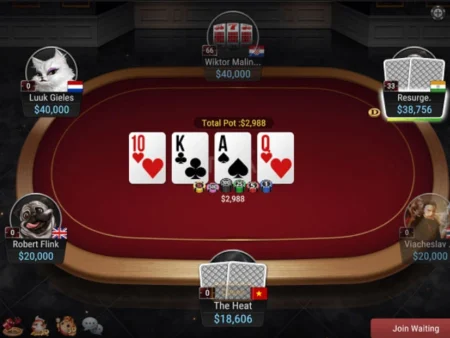

When it comes to the game of poker, many players focus solely on mastering the technical aspects of the game such as odds calculation and hand reading. While these skills are undoubtedly crucial, what sets apart great poker players from the rest is their ability to manage the mental side of the game.
Dealing with Variance
One of the key challenges in poker is dealing with variance—the natural fluctuations in luck that can lead to both winning and losing streaks. It’s essential to understand that variance is an inherent part of the game and that even the best players will experience periods of bad luck.
Strategies:
- Focus on making the best decisions possible, rather than getting fixated on short-term results.
- Maintain a healthy bankroll to weather the ups and downs of variance.
Managing Tilt
Tilt is a state of emotional and mental frustration that can impair decision-making and lead to poor choices at the poker table. Learning to manage tilt is essential for success in poker.
Techniques:
- Take breaks when feeling frustrated or agitated.
- Practice mindfulness and deep breathing to stay calm and focused.
Long Online Sessions
With the rise of online poker, many players are now spending long hours at the virtual tables. Maintaining focus and discipline during these extended sessions is crucial for staying sharp and making optimal decisions.
Tips:
- Stay hydrated and take regular breaks to avoid mental fatigue.
- Set specific goals for each session to stay motivated and focused.
Focus and Emotional Discipline
Ultimately, mastering the mental game of poker comes down to developing focus and emotional discipline. By honing these skills, you can elevate your game to the next level and become a more consistent and successful player.
Key Takeaways:
- Focus on the process, not just the outcome.
- Practice self-awareness and emotional control to avoid making impulsive decisions.