
Online Poker vs Live Poker: Which Is Better for New Players in 2026?

On this page
If you are picking up poker in 2026, you are walking into the most exciting moment the game has seen in a decade. One of the first decisions every beginner faces is the debate between online poker vs live poker, as both formats have evolved significantly in recent years. Live rooms are full again, the World Series of Poker keeps breaking attendance records, and online traffic has rebounded thanks to a mobile-first generation of players. At the same time, the global online poker market is projected to grow from $3.98 billion in 2025 to $8.23 billion by 2033, with more than 100 million active players worldwide.
So the question every new player keeps asking us is fair: in the online poker vs live poker comparison, should you start at a casino table or on your phone? Here is the honest, trend-aware breakdown, built on real 2026 industry data, not nostalgia, helping you decide which format is the better choice for beginners.
Why This Question Looks Different in 2026
A few years ago, online poker felt like a different game from live poker. In 2026, the line has blurred. Three big trends have reshaped how new players should think about choosing a format:
• Mobile-first design now drives the majority of online poker traffic, making the barrier to entry lower than ever before.
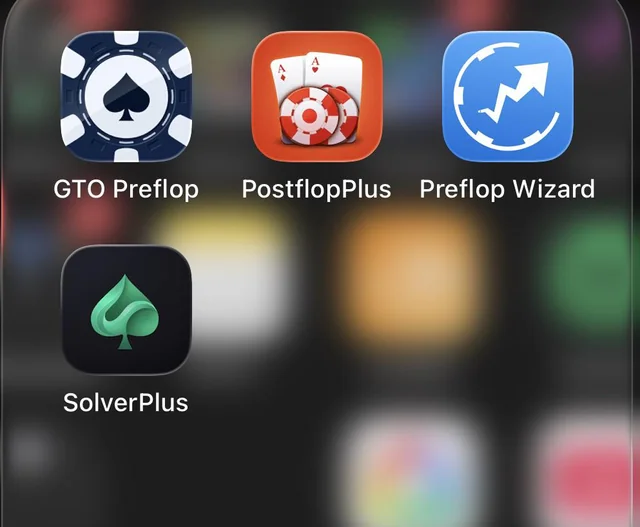
• AI-powered solvers like GTO Wizard and PokerSnowie have turned online poker into a serious study environment, but they have also raised the average skill level of regulars.
• Online-to-live satellites are exploding. More than 1,200 players qualified online for the 2025 Irish Open, and PartyPoker is giving away over 2,000 live tour seats through online qualifiers in 2026.
In other words, online and live poker are no longer competing, they are feeding each other. Your choice as a new player is less about “which one” and more about “which one first.”
Trend 1: Speed of Play, 30 Hands vs 250 Hands Per Hour
Pace is the single biggest gap between the two formats, and the new fast-fold formats have widened it further.
• Live nine-handed cash games: 25–30 hands per hour.
• Standard online tables: 60–100 hands per hour.
• Fast-fold formats (Zoom, Snap, Zone): 200–250 hands per hour.
• Multi-tabling online: 4–16 tables at once is common in 2026.
For a beginner, this matters. Online, you can play more hands in one weekend than a casual live player sees in a year. That means faster pattern recognition, but also faster mistakes. As Chris Moneymaker famously said, online poker taught him more in six months than years of live play ever could.
Trend 2: Mobile Has Become the Front Door
In 2026, most online poker traffic will come from smartphones. This is the biggest behavioral change in the industry since the 2003 boom, and it has changed how new players actually start playing.
Modern poker apps are built around short, casual sessions, quick spin-and-go games, missions, leaderboards, and gamified rewards. That makes online poker much easier to dip into than driving to a casino, parking, and committing to a four-hour live session. For new players with limited time, this convenience is decisive.
Trend 3: AI, Solvers, and the Tools Beginners Now Have
Online poker in 2026 gives new players an unfair advantage that did not exist even five years ago. Free and low-cost tools include:
• GTO Wizard — solver-based training, hand replay, and AI study tools.
• PokerSnowie — neural-network-trained sparring partner that gives instant EV feedback.
• PokerTracker / Hand2Note — automatic hand history tracking with HUD stats.
• Free YouTube content, Twitch streams, and structured beginner courses like Jurojin’s Crush Micro Stakes program.
Live poker has none of this in real time. You cannot review a hand history after a casino session — only what you remember. For a new player whose priority is improvement, this is a huge tilt toward online.
Trend 4: Crypto Poker Is Reshaping the Online Side
One of the biggest 2026 stories is the rise of crypto-native poker rooms. The 2025 Coin Series of Online Poker (CSOP) generated $6 million in prize pools across 125 events, and platforms like CoinPoker, BC Poker, and ACR now offer:
• Instant deposits and withdrawals in BTC, ETH, and USDT.
• Provably fair RNG that you can verify on-chain, a transparency layer live poker cannot match.
• Anonymous tables that prevent HUD tracking and bumhunting.
• Generous rakeback structures, with some platforms offering up to 33–50%.
• No-deposit BTC bonuses (e.g., BC Poker’s $10 free-play promotion launched in April 2026).
For new players in jurisdictions where traditional online poker is restricted, crypto poker has quietly become the most accessible entry point in 2026.
Trend 5: Anti-Cheat Tech Is Maturing, Fast
A real concern for new online players used to be: am I playing against bots and real-time assistance (RTA) cheaters? In 2026, the answer is finally improving. Platforms now use:
• AI behavior detection that flags solver-assisted decisions in real time.
• Liveness verification (facial recognition checks before sitting down).
• Strict RTA bans across major rooms, using software mid-hand will get accounts frozen.
• Blockchain-verifiable shuffles on crypto sites like CoinPoker and Virtue Poker.
Live poker still has the edge here , you cannot run a solver under the table, but the gap is closing faster than most people realize.
Trend 6: The Online-to-Live Bridge Is Cheaper Than Ever
This is the most important trend for ambitious new players. Major tours now run massive online satellite programs:
• WSOP Road to Vegas on GGPoker, qualify for a Main Event seat from low buy-in online satellites.
• PokerStars Power Path, a step-based program designed specifically for micro-stakes players.
• PartyPoker Live Tour , 2,000+ seats awarded through online qualifiers in 2026.
• Irish Open — over 1,200 players qualified online for 2025; numbers running higher for 2026.
Translation: you can grind a $5 online tournament today and end up at a $10,000 live final table this summer. That was not realistic a decade ago.
Quick Comparison: Online vs Live Poker in 2026
| Factor (2026) | Online Poker | Live Poker |
| Hands per hour | 60–100 per table; 200–250 in Zoom/Snap/Zone fast-fold | 25–30 hands per hour on average |
| Starting bankroll | $20–$100 at NL2–NL5 micro-stakes | $200–$500 for $1/$2 NL Hold’em |
| Rake structure | Generally lower; 33–50% rakeback common in 2026 | Higher percentage + higher caps |
| Mobile experience | Mobile-first design; majority of traffic is now mobile | Not applicable |
| AI & study tools | GTO Wizard, PokerSnowie, Hand2Note, PokerTracker | Limited to notes and memory |
| Anti-cheat tech | BC Shield, AI bot detection, RTA bans, liveness checks | Floor staff and surveillance |
| Field difficulty | Tougher on average due to solver-trained regulars | Softer at low stakes — more recreational players |
| Crypto support | Common on CoinPoker, BC Poker, ACR (BTC, ETH, USDT) | Cash, casino chips, card payments |
| Online-to-live | WSOP Road to Vegas, PokerStars Power Path, PartyPoker seats | Direct buy-in or live satellites only |
| Bonuses | Welcome packages, no-deposit BTC offers, freerolls | Rare; comps and food vouchers |
| Social experience | Limited chat; some VR/AR rooms emerging | Full table talk, body language, atmosphere |
| Availability | 24/7 across devices, global access (regulation permitting) | Casino hours, location-dependent |
So Which Should a New Player Choose in 2026?
Here is the honest verdict, based on what we have seen work for new players this year:
Start online if you want to learn fast and cheaply
Micro-stakes ($0.02/$0.05 or lower), fast hand volume, free training tools, and the option to switch to crypto rooms if your country restricts traditional sites. You can lose less than $100 in three months and come out with sharper fundamentals than most casual live players ever build.
Start live if you want the experience
The room, the chips, the people, the unmistakable feeling of pushing real chips across real felt. Low-stakes live games are also softer, most opponents are there for entertainment, not strategy. If your priority is enjoyment first, learning second, life wins.
The Hybrid Path Smart Beginners Are Taking in 2026
The new players who improve fastest do not pick a side. They follow this rough roadmap:
1. Months 1–3: Play online micro-stakes (NL2–NL10). Focus on preflop ranges and pot odds. Target 20,000–50,000 hands.
2. Months 3–6: Add live sessions once or twice a week at $1/$2 or your regional equivalent. Apply what you learned online.
3. Months 4+: Enter an online satellite for a live event you actually want to play. The qualifier programs above make this cheap and realistic.
4. Month 6+: Decide which format you enjoy more, and which one you are actually winning at. Specialise from there.
This combines the volume of online with the human texture of life. It is also how most modern poker pros, including a growing number of WSOP qualifiers, built their early careers.
The Final Word
Online poker and live poker in 2026 are not rival worlds anymore. They are two halves of the same ecosystem, and the smart move for any new player is to use both. As you continue improving your game, exploring resources like a Suprema Poker Review, understanding Poker Hand Rankings, learning Texas Hold’em Strategy, and comparing the Best Crypto Poker Sites can help you build stronger skills and choose the right platform for your playing style.
Pick the format that matches your bankroll, your schedule, and your personality this week. Open an account, sit down at a table, and play your first hand. Poker only rewards the players who actually show up.
FAQs
1. Is online poker or live poker better for beginners?
Online poker is better for beginners due to low stakes, faster gameplay, and more learning opportunities.
2. How many hands can you play online vs live poker?
Online poker offers 60–100+ hands per hour, while live games usually deal around 25–30 hands per hour.
3. Is online poker safe in 2026?
Yes, licensed poker apps use certified RNG systems to ensure fair gameplay.
4. How much bankroll do I need to start poker?
A $20–$100 bankroll is enough for online micro-stakes games.
5. Can online poker players move to live games?
Yes, most online skills transfer easily, with adjustments for pace and physical tells.
Disclosure: PokerClubGames may earn a commission when you use links to poker operators. This never changes the price you pay. 18+ (21+ where required). Gambling involves risk. How we make money