

What Are the Best Poker Tips for Beginners? A Complete Guide to Playing Smarter From Your First Hand
On this page
Every experienced poker player was once a beginner staring at a chip stack, unsure whether to call, fold, or run. The good news is that poker rewards good habits early, you don’t need years of experience to start making smart decisions, you just need to know what actually matters. If you’ve been searching for solid poker tips for beginners or want to know how to play poker for beginners the right way from day one, this guide covers the poker strategies that make the biggest difference for new players, plus real, current data on where the game stands in 2026 so you understand exactly what you’re stepping into.
1. Master Poker Hand Selection Before Anything Else
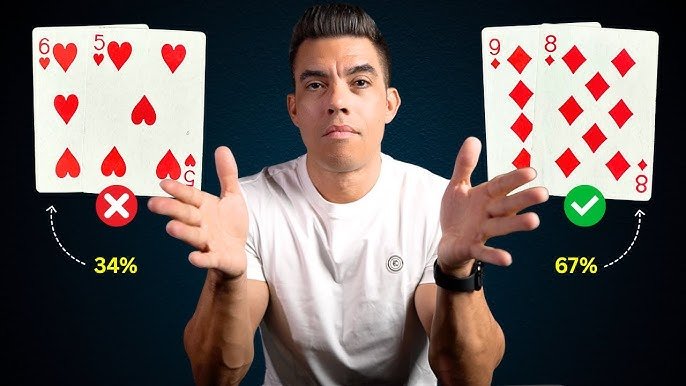
The single biggest leak in a new player’s game is playing too many hands. It’s tempting to see two cards and want to see a flop, but disciplined poker hand selection is the foundation every other skill builds on.
- Stick to strong starting hands in early position (pairs, high suited connectors, big broadway cards)
- Widen your range as you move later in the betting order
- Fold more than feels comfortable at first, tightening up is almost always more profitable than loosening up
2. Understand Poker Position Strategy Before You Understand Anything Else
Solid poker position strategy, where you sit relative to the dealer button — quietly controls more of your win rate than almost any other factor. Acting last means you see everyone else’s decisions before making your own, which is a real, measurable edge.
- Early position: Play tight and premium-only
- Middle position: Add a few more hands
- Late position: Play your widest range, since you have the most information
3. Learn Basic Poker Bankroll Management
No strategy survives going broke. New players should treat poker bankroll management as seriously as any card-reading skill:
- Keep at least 20–30 buy-ins for cash games
- Keep at least 50–100 buy-ins for tournaments, since variance is much higher
- Never sit down with money you can’t comfortably afford to lose, especially while you’re still learning
4. Build a Simple Poker Tournament Strategy
Cash games and tournaments reward different approaches, and new players often make the mistake of playing both the same way. A solid poker tournament strategy starts with understanding that your chip stack’s value isn’t fixed, it changes depending on how close you are to the money or a major pay jump.
- Early stages: Play patiently, similar to cash games, since blinds are small relative to stack sizes
- Middle stages: Start widening your range as blinds increase and antes kick in
- Bubble and final table: Apply more pressure on short stacks who are afraid to bust before the money, while playing more cautiously against similarly-stacked opponents
- ICM awareness: As pay jumps get larger, understanding ICM poker strategy and protecting your tournament life sometimes matters more than making the highest-EV chip play
Tournament poker also means bigger fields and bigger variance than most beginners expect. To put that in perspective with real, current numbers: the WSOP 2026 field size for the Main Event reached 9,208 players — a reminder that even skilled, experienced players often go deep runs without cashing simply due to the sheer size of modern tournament fields. Beginners should walk into tournaments expecting variance, not guaranteed results, even when playing well.
5. Pay Attention Even When You’re Not in the Hand
Some of the most useful information at the table comes from hands you’re not even playing. Watching how opponents bet, how quickly they act, and what hands they show down at the end all build a mental profile you can use later.
- Notice who bets big with strong hands versus who tries to disguise their bets
- Track which players fold to aggression and which ones call too often
- Use that information the next time you’re in a hand against them
6. Don’t Overuse Poker Bluffing Strategy (Yet)
New players often overcorrect once they learn bluffing exists, turning nearly every hand into a bluff attempt. In reality, a sound poker bluffing strategy leans on value betting, betting your strong hands for value rather than constantly representing hands you don’t have, which tends to be far more profitable for beginners still learning to read the table.
- Bluff selectively, ideally against players who’ve shown they can fold
- Keep your bet sizing consistent whether you’re bluffing or betting for value
- Build a foundation of solid value betting before layering in more advanced bluffing frequency
7. Practice on Free Poker Practice Tables Before Playing for Real Money
One of the smartest steps a beginner can take is using free poker practice tables consistently before ever depositing real money. This lets you get comfortable with pacing, position, and betting rounds without financial pressure, and it matters more than most new players realize, especially given how much online poker traffic 2026 has grown. In fact, one of the largest poker platforms recently logged more than 900,000 players online simultaneously during a major tournament series, a reminder of just how much competition and volume exist in modern online poker. Practicing your fundamentals before jumping into that environment gives you a real head start.
8. Practice Sound Poker Decision Making: Think in Decisions, Not Results
This might be the hardest lesson for beginners to internalize: a good decision can still lose, and a bad decision can still win. Good poker decision making means judging your play based on whether you made the mathematically sound choice, rather than whether you won the pot, which is what separates players who genuinely improve from players who just get lucky or unlucky in cycles.
9. Practice Poker Tilt Management Before It Manages You
Bad beats happen to everyone, including the best players in the world. Strong poker tilt management comes down to how quickly you recognize frustration creeping in and adjust, whether that means tightening up, taking a short break, or simply reminding yourself that variance is part of the game. Making decisions from frustration rather than logic is one of the fastest ways to turn a small loss into a much bigger one.
10. Keep Learning After Every Session
Poker rewards players who review their own play, not just those who play the most volume. After each session, especially early on, look back at a few hands where you weren’t sure what to do. Over time, these patterns become intuitive, and decisions that once felt confusing become second nature.
Final Thoughts
The best poker strategies for beginners aren’t complicated, they’re consistent. Play fewer, stronger hands. Respect position. Manage your bankroll. Build a simple, adaptable poker tournament strategy rather than treating every format the same way. And most importantly, focus on making sound decisions over time rather than chasing short-term results. Poker is a big, fast-growing game in 2026, with massive player pools and constant competition, but the fundamentals that win money haven’t changed. Master them early, and everything else becomes easier to build on.
FAQs
1. What is the best poker tip for beginners?
Play fewer but stronger starting hands and avoid getting involved in every pot.
2. Why is position important in poker?
Position gives you more information about your opponents’ actions, helping you make better decisions.
3. How much bankroll should a beginner have?
A common guideline is 20–30 buy-ins for cash games and 50–100 buy-ins for tournaments.
4. Should beginners bluff often in poker?
No. Beginners should focus on value betting and use bluffs selectively against the right opponents.
5. How can I improve my poker skills quickly?
Practice regularly, review your hands, manage your bankroll, and focus on making good decisions rather than short-term results.
Disclosure: PokerClubGames may earn a commission when you use links to poker operators. This never changes the price you pay. 18+ (21+ where required). Gambling involves risk. How we make money