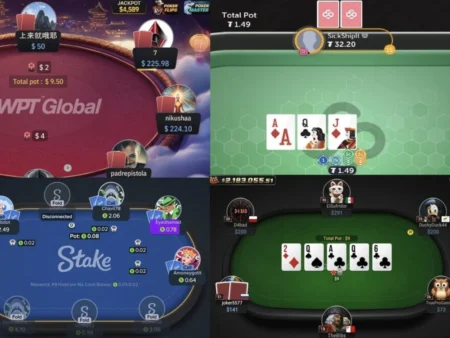

Have you ever found yourself limping in poker and wondered why your bankroll is suffering session after session? Limping, which involves calling the big blind preflop instead of raising or folding, may seem harmless at first glance. However, experienced players know that it’s a costly habit that can be easily exploited by opponents. Let’s dive into the world of limping in poker and uncover why it’s a strategic mistake that could be draining your profits.
Understanding the Signal Behind Limping
When you choose to limp into a pot, you are sending a clear signal to your opponents that your hand is weak. It indicates indecisiveness and a lack of confidence in your holdings. Skilled players at the table will immediately recognize this weakness and take advantage of it by applying pressure through aggressive betting or raising.
Why Good Players Punish Limping
Good poker players understand that limping is a sign of vulnerability that can be exploited for profit. By punishing limpers with raises and re-raises, they put pressure on their opponents and force them to make tough decisions with marginal hands. This aggression allows them to take control of the pot and increase their chances of winning without a showdown.
Real Gameplay Scenarios: The Consequences of Limping
Imagine you limp in from early position with a mediocre hand like J-9 offsuit. The players behind you smell weakness and decide to raise, isolating you in a bloated pot. The flop comes 10-8-2 rainbow, and you have no idea where you stand. Your opponents continue to apply pressure, and you eventually fold, losing the chips you invested preflop without seeing a favorable outcome.
What to Do Instead: Optimal Strategies for Success
To avoid falling into the trap of limping and hemorrhaging chips, it’s crucial to adopt a more aggressive preflop strategy. Focus on raising or folding rather than limping, especially with marginal hands. By taking control of the action and putting pressure on your opponents, you can dictate the pace of the game and maximize your chances of winning pots.
Remember, poker is a game of skill and strategy. By eliminating the costly habit of limping from your arsenal and implementing a more assertive approach, you can improve your profitability and outmaneuver your opponents at the table. Take the time to analyze your preflop decisions, tighten up your range, and unleash the power of aggression to elevate your game to the next level.