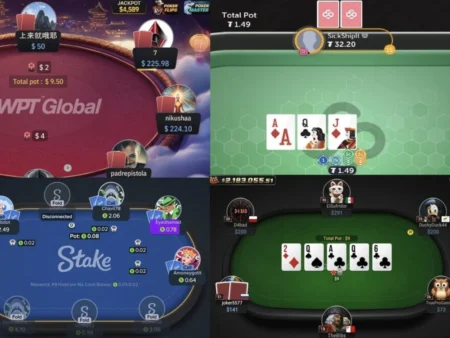

If you’ve ever played poker, you’re probably familiar with the concept of ‘limping’, that seemingly harmless action of just calling the big blind instead of raising or folding. Many players choose to limp without realizing that it’s actually costing them money every single session. In this article, we’ll dive deep into why limping is a losing strategy and what you should do instead to maximize your winnings at the poker table.
What Limping Really Signals
Limping often signals weakness to your opponents. When you limp into a pot, you’re essentially telling the other players at the table that you’re not confident in your hand. This opens up the opportunity for skilled players to exploit your weakness and put you in tough spots.
Why Good Players Punish It
Good players will always punish limpers because they know that limping is a sign of vulnerability. By raising or re-raising when someone limps, they can take control of the hand and apply pressure on the limper. This forces the limper to make difficult decisions with marginal hands, often leading to mistakes and losses.
Real Gameplay Scenarios
Imagine you’re playing in a poker game and the player to your left limps into the pot. You look down at a strong hand like pocket aces or kings. Instead of just calling the limp, you should raise to isolate the limper and build a bigger pot with your superior hand. This puts you in a position of strength and gives you a better chance of winning the hand.
What to Do Instead
Instead of limping, you should focus on raising or folding preflop. By raising with your strong hands and folding your weak hands, you’ll be able to build bigger pots when you have a good hand and minimize your losses when you have a weak hand. This aggressive approach will make you a more unpredictable and profitable player in the long run.
In conclusion, limping in poker is a costly mistake that many players make without realizing the impact it has on their bottom line. By understanding why limping is a losing strategy and making the necessary adjustments to your gameplay, you can improve your chances of winning and become a more successful poker player. So the next time you’re tempted to limp into a pot, think twice and consider the strategic benefits of raising or folding instead.