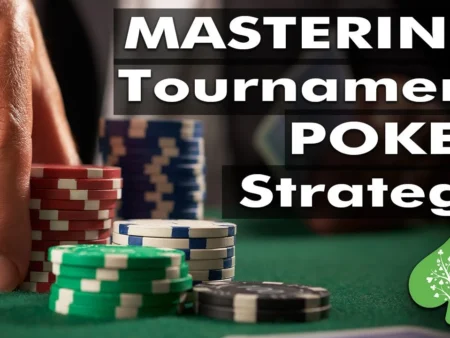

Poker continues to grow as one of the most popular card games in the world, attracting millions of new players every year. From casual home games to major World Poker Tour (WPT) events and the World Series of Poker (WSOP), poker offers a mix of skill, strategy, patience, and competition that keeps players coming back.
For beginners, however, poker can feel overwhelming at first. Learning the rules, understanding poker hands, managing chips, and developing a strong poker tournament strategy all take time. The good news is that every successful poker player started as a beginner.
This ultimate beginner checklist explains everything new players should understand before playing poker in 2026, including tips for online poker tournament strategy, bankroll management, and improving overall gameplay.
Learn the Basic Rules of Poker
Before joining any game, beginners must understand the core rules of poker.
The most popular format is Texas Hold’em Poker, where each player receives two private cards and combines them with five community cards to create the best possible hand.
Basic gameplay includes:
- Betting rounds
- Folding
- Calling
- Raising
- Bluffing
- Showdowns
Understanding the flow of a poker hand is the first step toward becoming a better player in both live poker and online poker tournaments.
Understand Poker Hand Rankings
One of the most important poker fundamentals is learning poker hand rankings.
Poker Hands Ranked From Highest to Lowest
| Rank | Poker Hand |
| 1 | Royal Flush |
| 2 | Straight Flush |
| 3 | Four of a Kind |
| 4 | Full House |
| 5 | Flush |
| 6 | Straight |
| 7 | Three of a Kind |
| 8 | Two Pair |
| 9 | One Pair |
| 10 | High Card |
Without understanding hand rankings, players cannot make correct decisions during gameplay.
Choose the Right Poker Format
Poker comes in several different formats, and beginners should start with games that are easier to learn.
Popular Poker Variations
- Texas Hold’em
- Pot-Limit Omaha (PLO)
- Omaha Hi-Lo
- Seven-Card Stud
- Big O Poker
For most beginners, Texas Hold’em strategy is the best starting point because it is the easiest format to understand and the most widely played in World Series of Poker and World Poker Tour events.
Start With Low-Stakes Poker Games
One of the smartest decisions beginners can make is starting with low-stakes poker games.
Low buy-in games help players:
- Learn poker strategy safely
- Avoid large losses
- Build confidence
- Gain real tournament experience
Many successful professional poker players started with small online games before moving into major poker tournaments and live casino events.
Learn Basic Poker Tournament Strategy
Winning consistently requires more than luck.
Beginners should focus on:
- Starting hand selection
- Position awareness
- Pot odds
- Bluffing strategy
- Bankroll management
- Reading opponents
Strong poker tournament strategy helps players make better long-term decisions rather than relying on short-term luck.
Players who improve their online poker tournament strategy often perform better in both live and online competition.
Understand Position in Poker
Position is one of the most important concepts in Texas Hold’em Poker.
Players acting later in a hand gain more information before making decisions.
Types of Poker Positions
- Early Position
- Middle Position
- Late Position
Late position is considered strongest because players can observe opponents before acting.
Understanding position improves:
- Bluffing strategy
- Pot control
- Decision-making
- Aggression timing
Professional players on the World Poker Tour consistently use positional advantage to dominate tournaments.
Practice Proper Poker Bankroll Management
Many new poker players lose money because they ignore bankroll management.
Good Bankroll Habits Include:
- Setting spending limits
- Avoiding emotional decisions
- Playing affordable stakes
- Separating poker funds from personal expenses
Bankroll discipline is one of the biggest differences between recreational players and successful tournament grinders.
Learn Common Poker Terms
Poker uses unique terminology that beginners should understand.
| Poker Term | Meaning |
| Fold | Discard your hand |
| Call | Match a bet |
| Raise | Increase the bet |
| Bluff | Represent a stronger hand |
| All-In | Bet all remaining chips |
| Pot | Total chips in play |
Learning poker vocabulary helps beginners follow gameplay more confidently during online poker tournaments and live poker games.
Avoid Common Beginner Mistakes
Most beginners repeat similar mistakes when starting poker.
Common Poker Mistakes
- Playing too many hands
- Bluffing too often
- Ignoring position
- Chasing losses emotionally
- Calling with weak hands
Avoiding these mistakes can improve poker results immediately.
Use Online Poker to Improve Faster
Online poker allows beginners to gain experience much faster than live games.
Benefits include:
- Faster gameplay
- More hands per hour
- Lower stakes available
- Access to beginner-friendly tournaments
Many professional players developed their skills through online poker tournament strategy before competing in events like the World Series of Poker.
Watch Professional Poker Players
Watching experienced players is one of the best ways to improve strategy.
Poker livestreams, tournament coverage, and educational videos help beginners learn:
- Betting patterns
- Bluffing strategy
- Tournament decision-making
- Final table pressure management
Studying professionals from the World Poker Tour and WSOP can dramatically improve poker understanding.
Learn Poker Tournament Basics
Tournament poker differs significantly from regular cash games.
Tournament Features Include:
- Increasing blinds
- Elimination structure
- Prize pool payouts
- Bubble pressure
Understanding tournament structure is essential for players interested in online poker tournaments and live championship events.
Improve Your Mental Discipline
Poker is a game of patience and emotional control.
Even strong players lose hands because of variance and bad luck.
Successful poker players:
- Stay calm under pressure
- Avoid tilt
- Focus on long-term improvement
- Make disciplined decisions
Mental discipline is one of the biggest keys to success in poker tournament strategy.
Keep Practicing Consistently
Poker improvement takes time.
The best players continue studying:
- Poker strategy
- Hand analysis
- Opponent behavior
- Tournament dynamics
Consistent practice leads to stronger long-term tournament results.
Why Poker Continues Growing in 2026
Poker remains one of the fastest-growing competitive card games because it combines:
- Skill
- Entertainment
- Strategy
- Competition
- Large tournament prize pools
The rise of online poker tournaments, poker livestreams, and major global series like the World Series of Poker and World Poker Tour has made poker more accessible than ever before.
Final Thoughts
Starting your poker journey in 2026 can be exciting and rewarding when approached correctly. By understanding poker rules, learning strategy basics, improving your online poker tournament strategy, and avoiding beginner mistakes, new players can build a strong foundation for long-term success.
Poker is not just about winning individual hands — it is about making smart decisions consistently over time.
Whether your goal is casual online games, World Poker Tour events, or major World Series of Poker tournaments, following this beginner checklist can help you improve faster and play with more confidence.
For more poker tournament strategy guides, poker news, beginner tutorials, and expert poker insights, visit Poker Club Games and stay updated with the latest trends in the poker world.
FAQs
1. What is the best poker game for beginners to learn first?
Texas Hold’em Poker is considered the best option for beginners because the rules are easier to understand and it is the most popular format in both online and live poker tournaments.
2. How can beginners improve their poker tournament strategy?
New players can improve their poker tournament strategy by learning position play, bankroll management, starting hand selection, and practicing regularly in low-stakes games.
3. What is the difference between online poker tournaments and cash games?
In online poker tournaments, players compete until one winner remains, while cash games allow players to join or leave anytime using real chip values.
4. Why is bankroll management important in poker?
Proper bankroll management helps poker players avoid large losses, manage risk, and continue improving their skills without risking all their funds.
5. Where can beginners learn more about poker strategy and tournaments?
Beginners can explore poker strategy guides, tournament updates, and Texas Hold’em tutorials at Poker Club Games.