
Last Updated on July 24, 2026 by Bala Kumar
1. Introduction
If you’ve searched for a poker strategy for beginners step by step, you already know the hardest part of learning Texas Hold’em isn’t the rules, it’s knowing what to actually do once you’re sitting at the table. This guide breaks that gap down into five clear, practical steps, built specifically for players who already know the basic rules and are ready to start playing with a real strategy instead of guesswork.
Whether you’re studying from a poker strategy for beginners pdf, browsing a Texas Hold’em Strategy online, or just trying to stop bleeding chips in your weekly home game, this article will give you a structured path forward, no advanced math, no solver jargon, just a clear, step-by-step framework.
2. Why Strategy Matters More Than Luck
New players often assume poker is mostly about luck. In the short term, that’s true — anyone can win a single hand or even a single session on pure chance. But over hundreds or thousands of hands, strategy is what separates consistent winners from consistent losers. A solid, repeatable strategy reduces variance, protects your bankroll, and gives you a real edge over recreational players who are simply playing on instinct.
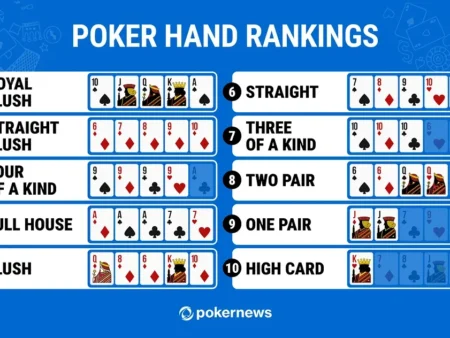
This is exactly why so many players search for a poker strategy chart or a pre flop poker strategy chart, having a visual reference removes guesswork during the early learning phase, when it’s easy to feel overwhelmed by decisions.
3. Step 1: Learn a Simple Preflop Strategy
Your preflop decision, before any community cards are revealed , sets the tone for the entire hand. This is the single most important habit to build early.
Beginner-friendly preflop guidelines:
- Raise with strong hands: Big pairs (JJ+), strong Ace-high hands (AK, AQ), and high suited connectors.
- Fold weak, unconnected hands: Hands like 7-2, J-4, or Q-6 offsuit should almost always be folded, regardless of position.
- Play fewer hands than feels natural. Most beginners play far too many starting hands, tightening up is one of the fastest ways to improve.
- Avoid limping (just calling) with strong hands. Raising builds the pot when you’re ahead and disguises your hand strength.
A simple, tight-aggressive preflop approach is the foundation nearly every poker strategy for beginners, step by step guide recommends, because it’s the single highest-leverage habit you can build early.
4. Step 2: Understand Position at the Table
Position, where you sit relative to the dealer button, is one of the most underrated concepts for new players, yet it’s one of the biggest edges in the game.
- Early position (first to act): Play only your strongest hands, since you have the least information about opponents’ intentions.
- Middle position: You can open your range slightly, but still play cautiously.
- Late position (near or on the button): You can play a wider range of hands here since you’ll have more information from opponents who act before you on every future betting round.
Understanding position is often what separates poker tips for beginners from poker tips for intermediate players, beginners tend to play the same range everywhere, while more experienced players constantly adjust based on their seat.
5. Step 3: Master Postflop Basics (Flop, Turn, River)
Once the community cards start coming out, your strategy needs to shift from “what could I have” to “what do I actually have, and what does the board suggest my opponents might have.”
- On the Flop: Ask whether the board improved your hand, and whether it likely improved your opponents’ ranges more than yours.
- On the Turn: Reassess your hand strength and drawing potential, a hand that was strong on the Flop can weaken significantly by the Turn.
- On the River: With no more cards to come, this is where hand-reading and bet-sizing decisions matter most, since all remaining betting is based on complete information.
A simple beginner rule: bet or raise when you believe you have the best hand, and check or fold when you don’t, sophisticated bluffing and semi-bluffing can wait until your fundamentals are solid.
6. Step 4: Learn Pot Odds and Bet Sizing
You don’t need to be a math expert to use pot odds effectively, you just need the basic framework.
- Pot odds compare the cost of a call to the total size of the pot. If a call costs $10 to win a $50 pot, you’re getting 5-to-1 odds.
- Compare pot odds to your odds of completing a hand. If your chance of hitting your draw is better than the pot odds being offered, calling is often profitable long-term.
- Bet sizing communicates information. Beginners should aim for consistent, standardized bet sizes (for example, always betting around 60–75% of the pot) rather than varying wildly, which can unintentionally reveal hand strength.
This is one of the concepts most beginner-focused poker strategy PDF resources dedicate entire chapters to, since it’s foundational to every decision after the Flop.
7. Step 5: Avoid the Most Common Beginner Leaks
Even with good starting-hand selection, certain habits quietly drain beginners’ bankrolls:
- Playing too many hands out of boredom, especially in late-night or long sessions
- Calling too often instead of folding or raising, sometimes called “calling station” play
- Chasing draws without checking pot odds, calling bets that aren’t mathematically justified
- Ignoring bet sizing tells from opponents, missing valuable information about hand strength
- Playing on tilt after a bad beat, letting emotion override strategy
- Failing to adjust to table dynamics, playing the same style against both loose and tight tables
Fixing even two or three of these leaks can meaningfully improve results, and it’s a common theme across poker tips for beginners reddit threads, where experienced players consistently point new players toward these same fundamental fixes.
8. Poker Strategy Chart: Starting Hands by Position
Here’s a simplified pre flop poker strategy chart to help guide early decisions. This isn’t a substitute for deeper study, but it’s a solid beginner reference:
| Position | Recommended Starting Hands |
| Early Position | AA, KK, QQ, JJ, AKs, AKo |
| Middle Position | Add: TT, 99, AQs, AQo, KQs |
| Late Position (Button) | Add: Suited connectors (JTs, T9s), smaller pairs, AJ, KJ |
| Small Blind / Big Blind (Defending) | Wider range, but play cautiously postflop out of position |
Key: “s” = suited, “o” = offsuit. As a beginner, when in doubt, lean toward the tighter end of these ranges until you’re comfortable reading postflop situations.
9. Beginner vs Intermediate Strategy: What Changes
| Skill Area | Beginner Focus | Intermediate Focus |
| Preflop | Fixed, tight starting hand ranges | Adjusting ranges based on opponent tendencies |
| Position | Recognizing early vs late position | Exploiting position with 3-bets and steals |
| Postflop | Betting strong hands, folding weak ones | Balancing value bets with strategic bluffs |
| Bet sizing | Consistent, standardized sizing | Varying sizing based on board texture and reads |
| Mindset | Avoiding major mistakes | Actively exploiting opponents’ mistakes |
This progression reflects what most poker tips for intermediate players guides emphasize — the shift from simply avoiding errors to actively identifying and exploiting opponents’ tendencies.
10. Where to Find More Poker Strategy Resources
- Downloadable charts and guides: Many sites offer a free poker strategy for beginners pdf or printable preflop chart, useful for quick reference during early study sessions or even at the table in home games.
- Community discussions: Forums and communities discussing poker tips for beginners reddit-style are valuable for real-world hand breakdowns and beginner-friendly Q&A.
- Structured guides: A comprehensive poker strategy guide covering preflop, postflop, and mental game fundamentals is the best long-term investment for serious improvement.
- Practice platforms: Low-stakes online tables or free-play apps are ideal for applying this strategy in real hands without significant financial risk while you build confidence.
11.Final Takeaway
Good poker strategy doesn’t need to be complicated to be effective. By focusing on these five steps, tight preflop play, positional awareness, sound postflop decision-making, basic pot odds, and eliminating common beginner leaks, new players can build a genuinely solid foundation without getting lost in advanced theory too early. Keep a simple strategy chart handy, review your sessions honestly, and let your game evolve naturally from beginner fundamentals toward more advanced, exploitative intermediate play.
FAQs
What is the best poker strategy for complete beginners?
Start with a tight, disciplined preflop strategy, pay close attention to position, and avoid calling too often. These three habits alone will meaningfully improve your results.
Is there a simple poker strategy chart I can use at the table?
Yes, a basic preflop starting-hand chart organized by position (like the one above) is the most practical tool for beginners to reference while learning.
How long does it take to go from beginner to intermediate in poker?
This varies widely, but consistently playing, reviewing your hands, and studying core concepts like pot odds and position for a few months is typically enough to notice a meaningful shift in skill level.
Do I need to learn poker math to be a winning player?
Basic pot odds and hand-reading are essential, but you don’t need advanced solver-level math as a beginner, simple, consistent decision-making matters far more early on.
Where can I find free poker strategy resources?
Many strategy sites offer free downloadable charts and beginner guides, and poker communities on platforms like Reddit are a great source of real, practical advice from experienced players.
Founder of PokerClubGames.com and a Poker Researcher with 10+ years of experience in SEO, WordPress development, and gaming content strategy. Specializes in researching online poker sites, poker apps, tournaments, bonuses, and poker strategies. Experienced in poker platform reviews, affiliate marketing, and creating SEO-focused poker content for global audiences.
For collaborations, media inquiries, or poker-related partnerships:
Contact: Info@hugecount.com