
The Art of Stack Size Tracking in Poker: Mastering the Game Within the Game
On this page
Last Updated on September 22, 2026 by Bala Kumar
There’s a version of poker that happens on the felt — the cards, the bets, the calls. And then there’s a quieter game running underneath it, one that most players never fully learn to play: the game of watching how stacks move over time. Not just yours in this hand, or your opponent’s on this street, but the shape of a stack’s whole trajectory across a session, a day, or a multi-day tournament. That’s the game within the game, and it rewards patience in a way that hand-by-hand poker rarely does.
A single stack check answers one question: how much do I have right now? Tracking answers a much more useful one: where is this heading, and what does that trend actually mean? Those are different skills, and the second one is chronically underdeveloped even among players who are otherwise sharp and disciplined.
A Live Case Study: The 2026 WSOP Online Series
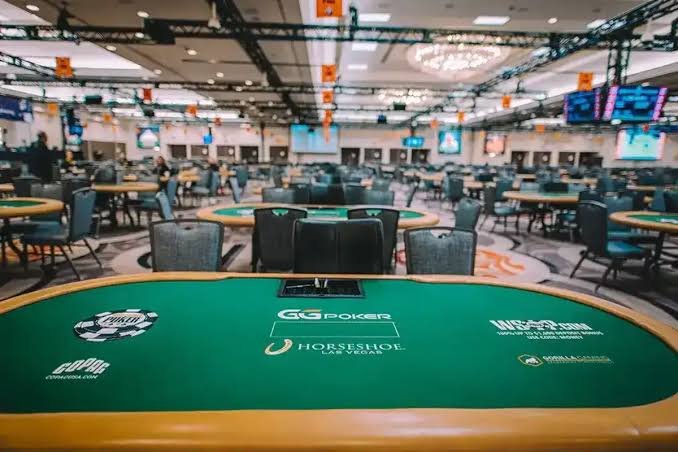
The 2026 WSOP Online series on GGPoker offers a clean illustration of why trajectory matters more than a snapshot. Running six weeks from mid-August through late September, the series spans 33 bracelet events, including a $5,000 buy-in Main Event that carried a $25 million guarantee. Individual chip counts throughout an event like that tell almost nothing in isolation — a player sitting on 40 big blinds partway through Day 1 could be comfortably above average or dangerously behind it, depending entirely on how the rest of the field is trending at that same moment.
That’s precisely why serious tournament grinders don’t just glance at their own stack — they track it against the field average as both numbers evolve over the event’s lifespan. A stack that’s merely holding steady while the average climbs is actually losing relative ground, even though the raw chip count hasn’t dropped at all. Series like WSOP Online, where thousands of entries compress down to a handful of survivors over several days, make this dynamic unmistakable: the players who consistently go deep are rarely the ones who happened to have the biggest stack at any single moment — they’re the ones whose stack trajectory kept pace with or outran the field’s, across the whole event.
Why a Single Check Isn’t Enough
Imagine two players who both currently sit at exactly 35 big blinds. On paper, they’re in an identical spot. But one of them has been at roughly that level for the last hour, grinding a stable, unremarkable session. The other started the same stretch at 70 big blinds and has been bleeding chips steadily ever since.
Their current number is the same. Their situation is not. The second player is likely to be playing with more urgency, possibly more frustration, and possibly more willingness to take a marginal spot just to reverse the trend. Knowing that difference — which you only get from tracking, not from a single check — changes how you’d want to play against either of them, and it changes how you should be thinking about your own decisions if you’re the one who’s been sliding.
Building a Personal Tracking Habit
You don’t need special software to start tracking meaningfully, though tools help. A few approaches work well depending on the format you play:
For online sessions: most platforms retain session history and hand logs that can be reviewed afterward. Spend five minutes after a session scanning how your stack moved in big blinds over time, not just the final result. A jagged, high-variance path and a smooth, steady one can produce the same final number but tell very different stories about how you actually played.
For live play: a simple mental checkpoint every few orbits works. Note your stack in big blinds, then compare it to your note from twenty or thirty minutes earlier. Was it climbing, flat, or shrinking? That’s often more useful in the moment than the exact chip count itself.
For tournaments specifically: track your stack against the field average, not just in isolation. Many platforms and live tournament staff display average stack size throughout the event — use it. Being at 30 big blinds when the average is 25 is a very different situation than being at 30 big blinds when the average is 60.
Reading Opponents Through Trajectory, Not Snapshots
The same principle applies in reverse. A skilled, attentive player doesn’t just note that an opponent currently has a big stack — they track how that stack got there. Did it arrive through a single flipped coin, or through twenty hands of consistent, well-timed aggression? The first stack often belongs to a player who got lucky and may be more cautious than the number suggests, wary of giving it back. The second often belongs to a player playing with real confidence, who’s more likely to keep applying pressure.
Likewise, a short stack that arrived there gradually over an hour of small losses tends to play differently than one that just got cracked on a single big pot. The gradual decline often produces a more disciplined, patient short stack, calculating each remaining decision carefully. The sudden crack sometimes produces the opposite — a player looking to gamble their way back rather than accept a long grind from a diminished position.
The Trap: Mistaking Noise for a Trend
Tracking only works if you’re honest about sample size. A stack that’s dipped over the last five hands due to a couple of unlucky spots isn’t the same as a stack that’s been declining steadily over two hours. Reacting to short-term noise as though it were a genuine trend leads to reads that don’t hold up — treating a player as “tilting” after one bad beat, when in reality nothing about their decision-making has actually changed.
A reasonable rule of thumb: give a trend at least twenty to thirty hands, or a meaningful chunk of a session, before treating it as real information rather than variance. Anything shorter is usually just poker being poker.
Bringing It Together
Mastering stack size tracking doesn’t require constant obsession over every chip. It requires building a habit of checking in periodically, comparing the current picture to where things stood a while ago, and asking what that difference actually tells you — about an opponent, about the table, and honestly, about yourself. The players who consistently make sharper decisions late in a session or deep into a tournament are rarely doing anything mystical. They’ve simply been paying attention to the story their stack, and everyone else’s, has been telling the whole time.
Disclosure: PokerClubGames may earn a commission when you use links to poker operators. This never changes the price you pay. 18+ (21+ where required). Gambling involves risk. How we make money