
The Psychology of Folding in Poker: Unveiling the Strategic Mindset of Smart Players
On this page
When it comes to poker, knowing when to fold can be just as important as knowing when to hold. Smart poker players understand that folding is not a sign of weakness but a powerful strategy that can save chips and lead to long-term success.
The Power of Folding
One of the most critical skills in poker is the ability to fold early and often. While beginners may see folding as giving up, experienced players see it as a strategic move to preserve their stack and wait for better opportunities.
Situations Where Folding Saves Chips
Smart players know that folding can save them from losing more chips in situations where they are likely to be beat. For example, if a player has a weak hand and faces a large bet from an aggressive opponent, folding can prevent further losses and preserve their stack for future hands.
Real Gameplay Examples
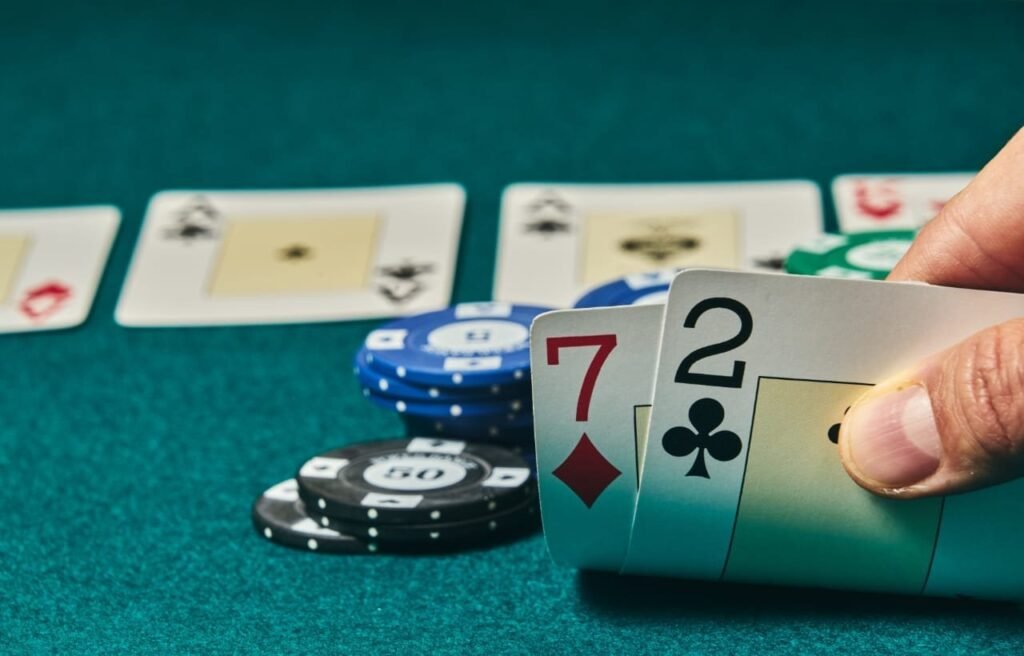
Imagine a scenario where a player holds a pair of twos in a Texas Hold’em game. The flop comes with three high cards, and the player’s opponent goes all-in. Despite having a small pair, the player recognizes that their hand is likely beat and decides to fold, ultimately saving their chips for a better opportunity.
Common Beginner Mistakes
One of the most common mistakes beginners make is calling too much instead of folding. They often get attached to their hands and refuse to let them go, even when the odds are against them. This can lead to significant losses and hinder their overall gameplay.
Tips to Develop Discipline
Developing discipline in poker is key to mastering the art of folding. One tip is to set limits for yourself and stick to them, such as only playing premium hands and folding the rest. Additionally, practicing good bankroll management can help you avoid emotional decisions and make more rational choices at the table.
By understanding the power of folding and embracing it as a strategic tool, you can become a smarter and more successful poker player. Remember, folding is not a sign of weakness but a sign of strength and discipline.
Disclosure: PokerClubGames may earn a commission when you use links to poker operators. This never changes the price you pay. 18+ (21+ where required). Gambling involves risk. How we make money