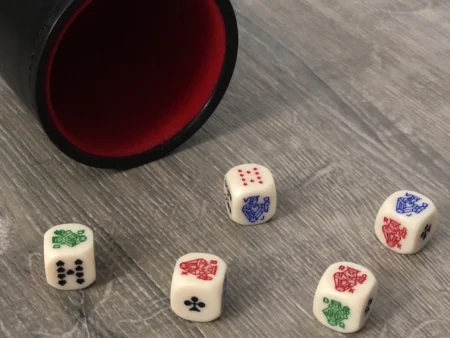

Getting a group together for cards used to mean a kitchen table, a chip set someone always forgot to bring, and a night that only worked if everyone lived in the same city. That’s no longer the constraint. Setting up poker online with friends now takes a shared link and a few minutes of setup, whether your group is scattered across time zones or just doesn’t want to deal with a physical deck.
What actually determines whether the night goes well isn’t the platform’s marketing page, it’s whether the host understands the setup options before hitting “create table.” This guide covers exactly that.
Why Host a Private Game Instead of Joining a Public Table?
Public tables put you in a room with strangers, house-set stakes, and no control over pace or rules. A private, host-created table flips that: you set the buy-in, choose the format, decide who’s invited, and can pause or adjust the game if half the group needs a break.
For a recurring group, a weekly game, a family tournament, or a work league, hosting also provides continuity, since a public lobby resets every session with a different mix of players.
Step-by-Step: Setting Up Your Private Game
- Pick a platform based on your group’s needs. A one-off casual night favors a no-download, browser-based option. A recurring weekly game benefits from a club-based app that remembers settings and tracks results over time.
- Choose your format. Decide between a cash game, Sit & Go, or multi-table tournament before inviting anyone, since each format changes how long the session runs and how buy-ins work.
- Set stakes and chip rules. Even in play-money games, agreeing on starting stacks and blind structures ahead of time avoids awkward mid-game renegotiation.
- Create the table and grab the invite link. Most modern platforms generate a shareable link or code once the table is created.
- Send the invite through a channel your group already uses. A group chat, Discord server, or email thread works better than expecting people to check a new app for updates.
- Assign host controls before the game starts. Know how to pause the table, remove a disconnected player, or adjust the blind schedule before the first hand.
- Run the session, then settle up. If real money or informal stakes are involved, use a platform with a built-in ledger where available so everyone can see the buy-ins and results clearly.
2026 Platform Comparison: Where to Play Poker Online With Friends
The landscape has increasingly shifted toward browser-based, no-download options alongside established club-app models. Here’s how some of the main options compare:
| Platform | Access | Real Money? | Standout Feature |
| Poker Now | Browser, no download, no account | No, play money only | Fast table creation and session tracking |
| PPPoker | App download, club-based | Varies by club/region | Long-term club membership and management tools |
| Pokerrrr2 | App download | Varies by club/region | Supports multiple poker variants |
| EasyPoker | iPhone app | No, social/play chips | Built-in voice chat and skill tracking |
| PokerStars Home Games | PokerStars account required | Play money or real money, region-dependent | Established poker-room infrastructure |
2026 note: Browser-based options such as Poker Now can be attractive for casual groups because they remove the friction of downloads and registrations. For recurring groups, club-based apps may provide more useful long-term features.
Play-Money vs. Real-Money Formats
Most private online poker groups use play money, and there’s a practical reason beyond caution: online gambling laws vary by country, U.S. state, and province.
A platform that supports a real-money private game in one location may not be suitable for a player joining from another. Hosts who want to avoid those complications often use play chips for the game.
If your group specifically wants a real-money private table, confirm that the platform supports the format in every player’s location and that the game complies with applicable local laws before setting it up.
Host Responsibilities and Etiquette
A good host does more than create the table. A few simple rules can prevent most problems.
- Set expectations up front. Share the starting time, approximate session length, format, and stakes before the game begins.
- Keep the chip ledger visible. Clear records help prevent disputes over buy-ins and results.
- Have a plan for disconnections. Decide in advance whether a disconnected player’s stack sits out, folds automatically, or receives additional time to reconnect.
- Rotate hosting duties for recurring groups. Sharing the administrative work prevents one person from becoming the permanent host.
Common Mistakes When Hosting Online
Where private games most often break down: skipping the setup conversation and assuming everyone has the same expectations about stakes, format, and etiquette.
Avoid these common mistakes:
- Choosing a platform that requires downloads when the group only wants a one-time game.
- Failing to confirm the blind structure or stakes before starting.
- Ignoring host controls until they are urgently needed.
- Running a real-money game without checking the applicable laws and platform rules.
- Relying on memory or screenshots to track buy-ins when a reliable ledger is available.
Feature Checklist Before You Commit to a Platform
Before choosing a platform for poker with friends, look for:
- Private table creation with a shareable invite link
- Host controls such as pause, player removal, and blind adjustments
- Automatic session or chip tracking
- Cross-platform access where possible
- Stable performance with a full table
- Support for your preferred format, such as cash games, Sit & Go tournaments, or multi-table tournaments
- Clear rules regarding play-money or real-money games
- Straightforward account and registration requirements
Groups that want the fastest possible route to play poker online with friends can start with a no-download browser platform for the first session. If the group becomes a regular game, moving to a club-based app with persistent settings and statistics may make more sense.
PokerClubGames provides platform guides, host-control walkthroughs, and format comparisons for poker with friends, helping players choose an option that fits their group.
FAQs
What’s the easiest way to set up poker online with friends?
A browser-based platform can be one of the simplest options because guests may be able to join through a shared link without downloading an app. For recurring groups, club-based platforms can offer additional features such as persistent membership and saved settings.
Do I need everyone to download an app to play poker with friends online?
Not necessarily. Some browser-based platforms allow guests to join through a link without installing an app. App-based platforms generally require a download but may provide additional features such as voice chat, persistent clubs, and hand-history tools.
Can you play poker online with friends for real money?
Some platforms support real-money private games, but availability and legality depend on where each player is located. Online gambling regulations differ by country, state, and province. Always confirm the applicable laws and platform rules before running a real-money game.
How many players can join a private online poker game?
A typical poker table supports up to nine players, although the exact limit varies by platform and format. Platforms supporting multi-table tournaments can accommodate larger groups by distributing players across multiple tables.
What features matter most when choosing a platform to play poker online with friends?
Look for private table creation, easy invite links, host controls, session or chip tracking, cross-platform compatibility, reliable performance, and support for your preferred poker format.
Founder of PokerClubGames.com and a Poker Researcher with 10+ years of experience in SEO, WordPress development, and gaming content strategy. Specializes in researching online poker sites, poker apps, tournaments, bonuses, and poker strategies. Experienced in poker platform reviews, affiliate marketing, and creating SEO-focused poker content for global audiences.
For collaborations, media inquiries, or poker-related partnerships:
Contact: Info@hugecount.com