

PokerGO Cup 2026
Last Updated on July 27, 2026 by Bala Kumar
1. Introduction
The PokerGO Cup (PGC) has quietly become one of the most respected stops on the PokerGO Tour high-stakes poker calendar. Held inside the PokerGO Studio at ARIA Resort & Casino in Las Vegas, it’s a made-for-broadcast series that blends the intimacy of a small-field high roller event with the production quality of a major TV tournament. For players who follow the game closely, watching a PokerGO Cup final table often feels like watching a heavyweight boxing card, a rotating cast of the same elite names, trading titles year after year.
Why does it matter? Because the buy-ins are steep enough to guarantee tough competition, but the format stays lean enough that recreational high-stakes players and seasoned pros can realistically go deep in this high roller poker tournament. The 2026 edition ran from March 1–15 and delivered exactly the kind of drama the series has become known for: multiple double-winners, a tight points race decided in the very last event, and a first-time series champion crowned in dramatic fashion.
Who should play it? Primarily high-stakes regulars and serious grinders with a bankroll built for $5,000–$15,000+ buy-ins, though its accessible entry points (relative to Super High Roller events) make it a realistic target for well-bankrolled semi-pros too.
Key highlight: A 10-event series with buy-ins from roughly $5,100 to $15,100, culminating in a PokerGO Cup Main Event and an overall PokerGO Tour leaderboard title.
Quick Facts: PokerGO Cup 2026
| Tournament | PokerGO Cup 2026 |
| Location | PokerGO Studio, ARIA Las Vegas |
| Dates | March 1–15, 2026 |
| Events | 10 |
| Buy-ins | $5,100–$15,100 |
| Main Event | $15,100 NLH |
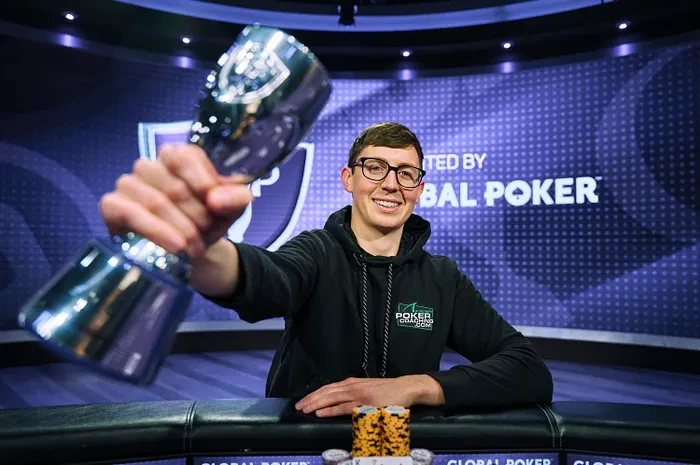
| Champion | Brock Wilson (Series) |
| Main Event Winner | Andrew “LuckyChewy” Lichtenberger |
2. Tournament Rating (5-Star Format)
- Prestige & Popularity: ★★★★☆ — A cornerstone of the PokerGO Tour season, respected among high-stakes regulars, though it doesn’t yet carry the historical weight of the WSOP or WPT.
- Prize Pool Value: ★★★★☆ — Six-figure first-place prizes are standard, with the 2026 Main Event alone generating a prize pool built from 52 entries at $15,100 each.
- Competition Level: ★★★★★ — Fields are stacked with elite pros; this is one of the toughest lineups you’ll find outside a Super High Roller Bowl.
- Accessibility (Buy-in/Entry): ★★★☆☆ — Buy-ins start around $5,000, which is accessible for high-stakes players but well out of reach for recreational entry-level grinders.
3. Tournament Overview
- Organizer / Platform: PokerGO, as part of the PokerGO Tour (PGT)
- First launched: 2021, when Daniel Negreanu was crowned the inaugural PokerGO Cup champion
- Location: Live, in-studio, the PokerGO Studio at ARIA Resort & Casino, Las Vegas, making it a signature ARIA poker tournament on the annual calendar
- Frequency: Annual, typically held in late February or March
- Tournament type: Flagship series, one of the PGT’s four designated “majors” each season
4. PokerGO Cup Buy In & Entry Details
- Buy-in range: The typical PokerGO Cup buy in runs roughly $5,100 for single-day events up to $15,100 for the Main Event
- Format: Primarily freezeout-style single-day tournaments, with the Main Event running as a multi-day format
- Satellite qualification: PokerGO and partner sites periodically run satellites into select events, though most players buy in directly given the series’ high-stakes nature
- Freeroll availability: No direct freerolls into the Cup itself, but strong PGT leaderboard performance throughout the year can factor into invitations for other PGT perks
5. Prize Pool & Payout Structure
Prize pools scale with entries, since this is not a guaranteed-prize-pool series in the traditional MTT sense, payouts are built directly from the buy-in pool.
2026 example (Event #2, $5,000 single-day):
- 111 total entries
- $555,000 total prize pool
- Winner Filipp Khavin took home $124,525 after an ICM deal with runner-up Jesse Lonis ($105,800)
2026 PokerGO Cup Main Event example ($15,100 buy-in):
- 52 total entries
- Champion Andrew “LuckyChewy” Lichtenberger collected $257,400
Typical payout structure across PokerGO Cup events:
- 1st place: Roughly 22–25% of the prize pool
- Final table (top 6–8 spots): Usually pays out, with 2nd place earning close to 65–70% of the winner’s prize
- ICM deals: Common at PokerGO Cup final tables, given how often top pros negotiate deals once play gets three-handed or heads-up
6. Tournament Format & Structure
- Game type: Predominantly a No-Limit Hold’em tournament format, occasionally featuring PLO or mixed-format events depending on the season’s schedule
- Blind levels: High-roller structures typically run 40–60 minute levels for single-day events, giving players deep, strategic play rather than a fast turbo grind
- Starting stacks: Deep stacks are standard for this level of buy-in, often 100+ big blinds to start
- Tournament speed: Deepstack rather than turbo, the series is built for skill-intensive, extended play rather than variance-heavy fast tournaments
7. Special Features
- Series-long leaderboard race: Every cash earns PGT points, and the player with the most points across all 10 events is crowned overall PokerGO Cup champion, even without winning a single individual title outright in some years
- ICM negotiation culture: Deals are frequently struck at final tables, a hallmark of the high-stakes scene
- Multiple double-winners: The 2026 series saw both eventual champion Brock Wilson and runner-up Filipp Khavin capture two individual titles apiece, making the points race one of the tightest in series history
- Studio production: Every final table is filmed and streamed live on PokerGO, giving the series a broadcast polish rare outside major tours
8. Player Field & Competition Level
This is not a soft field. The PokerGO Cup consistently attracts a roster of established high-stakes professionals, the kind of players you’d recognize from Super High Roller Bowls and major WSOP bracelet events. In the 2026 series alone, the leaderboard featured names like Brock Wilson, Filipp Khavin, Sean Winter, Andrew Lichtenberger, Darren Elias, Kristen Foxen, and Tony Gregg.
Is it soft or tough? Tough. This is a grinder-vs-grinder environment, not a recreational-friendly field.
Best strategy approach: Deep-stacked, disciplined, ICM-aware play. Since fields are relatively small (often 40–110 entries) but stacked with talent, survival and patience through the middle stages matter more than aggressive early accumulation.
9. Past Winners & PokerGO Cup Results
Here’s a full breakdown of PokerGO Cup results across recent seasons, including the complete PokerGO Cup 2026 results:
- 2021 (Inaugural Champion): Daniel Negreanu
- 2022 (PokerGO Cup Champion): Jeremy Ausmus; Main Event winner Sean Perry
- 2023 (PokerGO Cup Champion): Cary Katz; Main Event winner Isaac Haxton
- 2025 (Series Champion): Joey Weissman, who won Event #2 ($295,000) and cashed for $930,600 total across the series
- 2026 (Series Champion): Brock Wilson, who won two titles — Event #4 ($112,720) and a $210,000 title defeating Shannon Shorr heads-up — and clinched the overall crown with a sixth-place finish in the Main Event
- 2026 Main Event Champion: Andrew “LuckyChewy” Lichtenberger, defeating a 52-entry field for $257,400
- 2026 Notable results: Filipp Khavin (2 titles, runner-up on points), Sean Winter ($210,000 comeback win in Event #9), Tony Gregg ($173,075 via ICM chop), Kent Stephens ($130,000 in the series opener)
10. PokerGO Cup Schedule & Key Dates
Here’s the full PokerGO Cup 2026 schedule:
- 2026 PokerGO Cup dates: March 1–15, 2026
- Format: 10 events across two weeks, single-day formats for most events, with the Main Event running longer
- Day structure: Individual events typically run Day 1 (and occasionally Day 2) with same-week final tables
- Registration deadline: Registration for direct buy-in events typically closes at the start of the late registration period on Day 1, standard for high roller formats
11. How to Play (Step-by-Step)
- Create or log into a PokerGO account to follow live coverage, or connect with PGT directly for in-person registration details.
- Check the schedule at pgt.com/schedule to identify which events fit your bankroll and game preference.
- Register directly at the PokerGO Studio cage in Las Vegas, since most events are direct buy-in rather than satellite-fed.
- Arrive early on Day 1 to post up and get comfortable with structure sheets and starting stacks.
- First-timer tip: Study the field beforehand — knowing which regulars you’re likely to face changes your opening-stage strategy significantly at this level.
12. Pros and Cons
✅ Pros
- Deep, skill-rewarding structures with real thinking time
- High production value with every final table streamed live
- A legitimate shot at a life-changing score in a relatively small field
- Strong leaderboard incentive that rewards consistency, not just one big win
❌ Cons
- High buy-ins put it out of reach for casual or recreational players
- Extremely tough fields with a high density of elite professionals
- Limited satellite access compared to major tours like the WSOP
- Fewer events overall compared to sprawling series like the WSOP’s 100-bracelet schedule
13. Strategy Tips (MTT Strategy)
The following MTT strategy pointers apply directly to PokerGO Cup-style high roller fields:
- Beginner tip (if new to high-stakes MTTs): Don’t overvalue marginal hands just because stacks are deep, deep stacks punish mistakes more severely, not less.
- Mid-stage strategy: With relatively small fields, pay close attention to stack sizes at your table specifically, since final table proximity comes faster than in large-field tournaments.
- Final table approach: Be ready for ICM-heavy negotiation, understanding deal-making math is almost as important as your actual hand-reading skills at this stage.
- Bankroll advice: A common guideline for tournaments at this buy-in level is having at least 50–100 buy-ins in your dedicated tournament bankroll before entering regularly.
14. Devices & Accessibility
- Live access: In-person entry required at the PokerGO Studio, ARIA Resort & Casino — this remains strictly a live poker Las Vegas event, not an online-entry tournament
- Streaming access: Final tables and select coverage available via desktop, mobile, and the PokerGO app for subscribers, aligning it with the broader world of online poker events coverage
- Online/live hybrid: The tournament itself is live-only, but its content is fully accessible remotely through PokerGO’s streaming platform
15. Who Is It Best For
- Beginners: Not recommended as a playing target, but valuable to watch and study given the quality of play on display
- Recreational players: Better suited as spectators unless bankrolled for high-stakes buy-ins
- Professional grinders: An ideal target, the format, structure, and leaderboard incentives are built specifically for this audience
📅 Upcoming PokerGO Tour Schedule (Next 3 Months)
While the 2026 PokerGO Cup has concluded, the PGT schedule 2026 continues year-round. Based on the tour’s confirmed structure and its consistent annual pattern, here’s what to watch for over the coming months:
| Month | Expected Event | Typical Buy-in Range | Notes |
| August 2026 | PGT regular-season stops at the PokerGO Studio | $5,000–$25,000 | Ongoing PGT leaderboard events continue building toward the season’s four “majors” |
| September 2026 | Poker Masters (historically Sept–early Oct at PokerGO Studio, ARIA) | $10,000–$50,000+ Main Event | One of the PGT’s marquee majors; past champions include Stephen Chidwick, Sean Winter, and James Collopy (Purple Jacket) |
| October 2026 | Poker Masters continuation / PGT regular season | $5,000–$50,000 | Series typically wraps in early October, followed by continued PGT points-race events heading into Q4 |
Note: Exact 2026 Poker Masters dates had not been officially confirmed by PokerGO at the time of writing, but the series has run consistently in the September–October window every year since 2017. Always check pgt.com/schedule directly for the finalized calendar before planning travel or satellite play.
For players building toward the 2026 PGT Championship (open to the top 40 players on the season-long leaderboard), these upcoming stops carry real weight, every cash across this window adds to the points race that determines who earns a seat in the end-of-season freeroll.
16. Final Verdict
As a poker tournament guide, the takeaway is clear: the PokerGO Cup has firmly established itself as one of the premier stops on the high-stakes poker calendar. It combines deep, skill-friendly structures with a genuinely competitive leaderboard race that keeps players engaged across the full two-week series, as proven by the razor-thin 2026 points battle between Brock Wilson and Filipp Khavin. It’s not a tournament for casual bankrolls, but for high-stakes regulars and serious spectators alike, it delivers consistently high-quality poker with real stakes and real drama. Worth following, and worth playing if your bankroll supports it.
Whether you’re planning to compete or simply follow the action, the PokerGO Cup remains one of the toughest and most prestigious high-stakes poker series in the world. Check the latest PokerGO Tour schedule and prepare early if you’re aiming to compete in future editions.
FAQs
What is the PokerGO Cup?
The PokerGO Cup is a flagship high-stakes tournament series on the PokerGO Tour, held annually at the PokerGO Studio inside ARIA Resort & Casino in Las Vegas, featuring a run of No-Limit Hold’em events that build toward an overall series champion.
Where is PokerGO Cup held?
It’s held live and in-studio at the PokerGO Studio, ARIA Resort & Casino, Las Vegas, Nevada, with final tables streamed on PokerGO.
How much is the PokerGO Cup buy-in?
Buy-ins for the 2026 series ranged from roughly $5,100 for single-day events up to $15,100 for the Main Event.
Who won PokerGO Cup 2026?
Brock Wilson won the overall series title after capturing two individual event wins, while Andrew “LuckyChewy” Lichtenberger took down the $15,100 Main Event for $257,400.
Can amateurs play the PokerGO Cup?
Technically yes, since the events are open to direct buy-in, but the buy-in levels and the density of elite professionals in the field make it a tough environment for recreational or beginner players.
Disclosure: PokerClubGames may earn a commission when you use links to poker operators. This never changes the price you pay. 18+ (21+ where required). Gambling involves risk. How we make money