

Brazil’s Betting Ban Vote Pushed to March 2027: Why Poker Players Should Still Pay Attention
On this page
Brazil’s fight over online gambling won’t be settled this year. Congress now has until early March 2027 to vote on the provisional measure that shut down licensed sports betting and online casinos in the country. Until then, the ban stays fully in force.
For poker players, the headline news is reassuring: online poker was left out of the ban, and the big rooms are still serving Brazilian customers. But this story isn’t over. Lawmakers are now rewriting the measure through amendments, and the final text could look quite different from what President Lula signed in September.
Here’s what has happened, where things stand and what Brazilian poker players should watch over the next four months.
Quick summary
- What: Provisional Measure (MP) 1,394/2026, banning fixed-odds sports betting and online casino games in Brazil
- Signed: 25 September 2026 by President Luiz Inácio Lula da Silva
- Licensed sites offline: 6 October 2026
- Poker: not covered by the ban; PokerStars and GGPoker still serve Brazil
- Original vote deadline: 23 November 2026
- New deadline: early March 2027 (60-day extension, with the clock paused for Congress’s recess)
- Amendments: about 99 submitted, including 17 from deputy Capitão Alden
How we got here
Brazil only opened its regulated online betting market in January 2025, after Lula signed legislation in 2023 that formally authorized online casino games and sports betting while setting rules for licensed operators. Operators paid large licence fees for five-year permits, and the market grew fast.
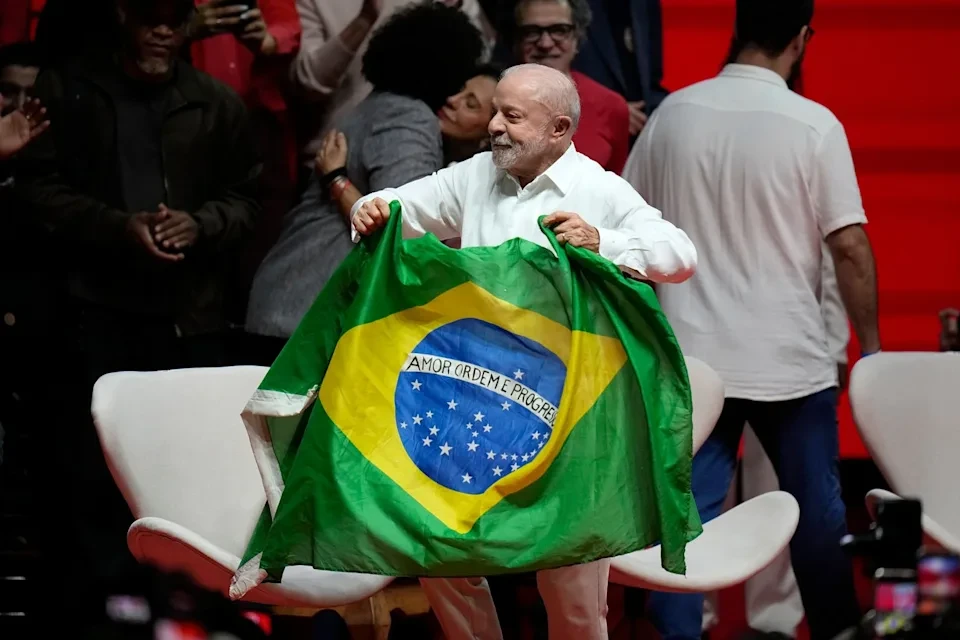
Then Lula changed course. On 25 September 2026, nine days before the first round of the presidential election, he signed MP 1,394. It bans running, offering, brokering and advertising fixed-odds betting anywhere in Brazil, and it also applies to operators based abroad that offer bets to people in Brazil. Lula justified it on public-health grounds, comparing betting addiction to a cancer that had to be removed.
The shutdown was quick. Customers had until 11:59pm on 5 October to withdraw their balances, while licensed betting websites and apps were due to be taken offline on 6 October. The government also will not refund the R2.55billion(aboutUS490 million) betting firms paid for licences.
Lula won a fourth term on October 25, 2026, which keeps in office the government that shut down the country’s licensed online betting market in the first place.
Why the deadline moved to March
A provisional measure (medida provisória) works differently from a normal law. It takes effect the moment it is published, but Congress has to approve it, or it lapses.
The rules are simple:
- An MP is valid for 60 days
- If Congress hasn’t finished voting, it is automatically extended once for another 60 days
- The maximum life is 120 days, but the clock stops during Congress’s recess
The Congress tracking page lists a deliberation deadline of November 23, 2026, with the measure locking the legislative agenda from November 9. With the 60-day extension, and with the recess from late December to early February not counting, the final vote now has to happen by early March 2027.
| Milestone | Date |
| MP 1,394 signed and in force | 25 September 2026 |
| Deadline for player withdrawals | 5 October 2026 |
| Licensed sites taken offline | 6 October 2026 |
| Amendment deadline (extended) | 13 October 2026 |
| Lula re-elected | 25 October 2026 |
| MP starts locking Congress’s agenda | 9 November 2026 |
| Original vote deadline | 23 November 2026 |
| Extended deadline (after recess) | Early March 2027 |
What lawmakers want to change
The four-month window matters because Congress doesn’t just vote yes or no. It can amend the measure, and plenty of lawmakers want to.
By the 13 October cut-off, Congress had already received 99 amendments to the measure. They fall into roughly three camps:
- Soften the ban. Deputy Capitão Alden submitted 17 amendments, 15 of which would significantly weaken it. Among the ideas being discussed: letting licensed bookmakers and online casinos keep their licences, and allowing limited advertising.
- Split sports betting from casinos. Some amendments include alternatives that would preserve sports betting while restricting online casino games. That was the narrower option Lula’s ministers were reportedly weighing before he chose the full ban.
- Add public-health measures. Deputy Tabata Amaral is pushing for public healthcare services for people with gambling problems, whatever happens to the ban itself.
There’s also a second front. Industry groups have challenged the measure at Brazil’s Supreme Federal Court (STF), and the Brazilian Association of Radio and Television Broadcasters (Abert) has asked for the ban to be suspended until Congress reviews the measure or the STF issues a final ruling on the cases. A court decision could change things before Congress votes.
Why poker was spared
This is the part poker players care about most. MP 1,394 targets fixed-odds betting, which it defines in two ways: bets where your payout is set by a multiplier (sports betting), and online games run by a random number generator (slots and other casino games).
Peer-to-peer poker doesn’t fit either definition. You play against other people, not the house, and the operator earns rake rather than profiting when you lose. Poker was never part of that measure because Brazilian law treats it as a game of skill rather than gambling, leaving peer-to-peer poker rooms outside the ban’s scope. PokerStars and GGPoker both confirmed they are still serving Brazilian players after the 6 October shutdown.
That matters because Brazil is one of the biggest poker markets in the world. It produces a steady stream of top online tournament players, and the BSOP circuit is among the strongest live tours in Latin America.
The catch: enforcement isn’t always that precise
Being exempt on paper doesn’t guarantee a smooth experience. The measure is enforced mainly through banks, payment providers (including Brazil’s Pix instant-payment system) and internet providers, which are ordered to block betting payments and sites.
The risk for poker players comes from rooms that also run casino lobbies. The poker tables are legal, but the slots next to them are not, and a bank or ISP block may not distinguish between the two. Some PokerStars players are already locked out, according to one report.
What Brazilian poker players should do now
- Keep playing on established poker rooms. Dedicated poker sites are clearly outside the ban.
- Watch your deposit methods. If a Pix payment to a poker site is blocked, contact the site’s support before trying workarounds.
- Be careful with mixed sites. Rooms that bundle poker with slots and casino games carry more risk of being caught by payment or site blocks.
- Follow the amendment debate. The final law could tighten, loosen or clarify the rules. Any amendment that changes the definition of an “online game” could affect poker.
- Mark early March 2027 on your calendar. That’s when Congress must approve, amend or let the measure lapse.
What could happen next
There are four realistic outcomes:
| Scenario | What it means |
| Congress approves MP 1,394 unchanged | The full ban becomes permanent law. Poker likely stays exempt. |
| Congress approves an amended version | The ban could be softened, for example by keeping regulated sports betting with limits on casinos and advertising. |
| The MP lapses without a vote | The ban expires, but the government could try again through a normal bill, such as the separate proposals already in Congress. |
| The Supreme Court suspends it | The ban could be paused before Congress even votes. |
Public opinion is also part of the picture. An Atlas/Bloomberg poll published on 23 September found 75 percent of Brazilians think online betting should be banned. Operators and many football clubs argue the opposite: that a ban pushes players to unlicensed offshore sites. Flutter said the estimated illegal share of Brazil’s online betting market had fallen from 41%–51% in 2025 to 38%–44% in 2026, and warned that a ban would put that progress at risk.
Final thoughts
For now, Brazil’s poker players are in a fairly good position. Their game survived a ban that wiped out the country’s entire licensed betting and casino market, and the major rooms are still open. But the next four months will decide what Brazil’s gambling laws look like for years to come, and poker’s exemption depends on how Congress words the final text. Keep an eye on the amendments, use payment methods you trust, and check back here for updates as the March vote approaches.
FAQs
Is online poker banned in Brazil?
No. MP 1,394 bans fixed-odds sports betting and online casino games, but peer-to-peer poker isn’t covered. PokerStars and GGPoker both confirmed they are still serving Brazilian players.
When will Brazil’s Congress vote on the betting ban?
The original deadline was 23 November 2026. With the automatic 60-day extension and the parliamentary recess, the vote must now take place by early March 2027.
What happens if Congress doesn’t vote in time?
The provisional measure lapses and the ban ends, although the government could try to bring it back through a regular bill.
What does MP 1,394 ban?
It bans running, offering, brokering and advertising fixed-odds betting in Brazil, which covers sports betting and online casino games, including offshore sites that accept Brazilian players.
Disclosure: PokerClubGames may earn a commission when you use links to poker operators. This never changes the price you pay. 18+ (21+ where required). Gambling involves risk. How we make money