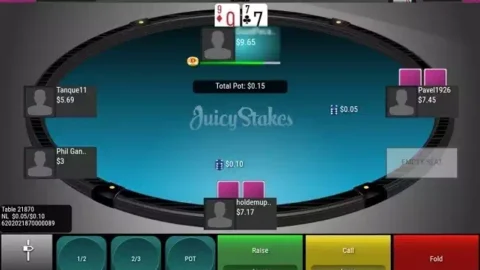

Mastering Online Poker: 10 Essential Tips to Boost Your Winning Strategy

On this page
Online poker has changed a lot in the past few years, bigger player pools, smarter opponents, and platforms that reward disciplined play more than ever. If you’re serious about improving your results, the good news is that most of what separates winning players from losing ones isn’t raw talent — it’s a handful of habits and decisions applied consistently. Here are 10 essential tips that actually move the needle.
1. Choose Your Site Based on Traffic, Not Just Bonuses
Where you play matters more than most beginners realize. According to current network traffic data, GGPoker leads global cash game traffic with over 9,700 average 30-day cash players, followed by crypto-native CoinPoker at roughly 2,000 players and growing 14.7% month-over-month — while several legacy networks, including PokerStars, have seen declining traffic in recent months. More traffic generally means softer overall game selection and faster table availability, so check current traffic rankings before committing your bankroll to a site based on bonus size alone.
2. Master Position Before Anything Else
If you learn only one concept from this list, make it position. Acting last in a betting round gives you information every other player at the table doesn’t have when they act. Hands that are unplayable from early position are often profitable raises from the button. Before worrying about advanced bluffing lines or complex solver outputs, get comfortable adjusting your starting hand range based purely on where you’re sitting relative to the button.
3. Play Fewer Hands, Not More
New online players consistently overestimate how many starting hands are worth playing. Texas Hold’em remains the dominant format globally, capturing over 62% of all online poker market share — precisely because its simplicity attracts huge numbers of recreational players who play too loosely. Tightening your starting hand selection, especially from early position, is one of the fastest ways to stop bleeding chips against a field of players who won’t fold.
4. Use HUDs and Tracking Software Where Allowed
Tracking software that displays basic stats on your opponents — voluntarily-put-in-pot percentage, aggression frequency, fold-to-3-bet rate — turns guesswork into pattern recognition. That said, several major networks now restrict or ban third-party HUDs entirely, so check your specific site’s software policy before investing time or money into a tracker that won’t actually be usable there.
5. Multi-Table Carefully, Not Aggressively
With 60% of online poker players now using mobile as their primary platform, multi-tabling has become both easier and more tempting than ever. But playing more tables than you can actually think clearly across doesn’t increase your win rate — it just multiplies your mistakes faster. Start with two tables, track your results, and only add more once you can maintain the same decision quality across all of them.
6. Understand Pot Odds and Equity — Even Roughly
You don’t need to calculate exact percentages at the table, but understanding the basic relationship between the size of a bet, the size of the pot, and your chances of completing a draw is non-negotiable. A rough mental shortcut — knowing that a flush draw with two cards to come is roughly a 35% shot — is enough to avoid the two most common mistakes: chasing draws that don’t offer the right price, and folding draws that actually do.
7. Specialize in Cash Games or Tournaments — At Least Early On
Cash games and tournaments reward genuinely different skill sets. Industry data shows cash games represent roughly 70% of total online poker revenue, with tournaments making up the remaining 30% — meaning cash games generally offer steadier, more measurable win rates, while tournaments carry far higher variance for a shot at bigger scores. New players often bounce between both without building real expertise in either. Pick one to focus on while you’re building fundamentals, and branch out once you have a tracked, profitable sample in your primary format.
8. Consider Pot-Limit Omaha as Your Second Game
If you’re looking to diversify beyond Hold’em, Pot-Limit Omaha (PLO) is currently the fastest-growing format among all online poker variants, now holding an estimated 18% market share and continuing to gain ground with action-seeking players. PLO’s four-hole-card structure creates bigger pots and steeper variance than Hold’em, so treat it as a serious second game to study rather than something you can pick up purely through intuition carried over from Hold’em.
9. Track Your Results Honestly
It’s tempting to remember your big wins vividly and quietly forget your losing sessions. Real improvement requires an honest, tracked record of your actual results over a meaningful sample — thousands of hands for cash games, dozens of tournaments for MTTs. Without this, you’re relying on feel, and feel is notoriously unreliable at telling you whether you’re actually a winning player or just running well temporarily.
10. Prioritize Withdrawal Speed and Site Reliability
Increasingly, experienced players are weighing site reliability — specifically withdrawal speed and transparency — as heavily as game selection when choosing where to play. A platform with a large bonus but a history of slow, unclear withdrawals isn’t actually a good deal once you factor in the risk and hassle of accessing your own money. Before committing significant bankroll to any site, check recent player feedback specifically about cashout speed and consistency, not just headline promotions.
Putting It All Together
None of these tips work in isolation — a great site choice doesn’t matter if your starting hand selection is too loose, and disciplined hand selection won’t save you if you’re multi-tabling more games than you can actually focus on. Build these habits one at a time, track your results honestly, and let the data — both about your own play and about where the game is heading — guide your decisions rather than instinct alone.
FAQs
What is the biggest mistake beginner online poker players make?
Playing too many starting hands, especially from early position. Tightening hand selection is one of the fastest ways for a new player to improve their win rate.
Is Texas Hold’em still the best format to learn first?
Yes — it remains the dominant global format by a wide margin, meaning the largest player pools, most available resources, and softest average competition for beginners to learn against.
Should I play cash games or tournaments as a beginner?
Cash games generally offer steadier, more measurable win rates and lower variance, making them a common starting point — though tournaments remain valuable for players specifically chasing larger score potential.
How many tables should I multi-table as a beginner?
Start with one or two and only add more once you can maintain the same decision quality across all tables simultaneously — multi-tabling too aggressively multiplies mistakes rather than profits.
Is Pot-Limit Omaha harder to learn than Texas Hold’em?
Generally yes — PLO’s four hole cards create more complex equity calculations and bigger variance, so it’s usually recommended as a second game once Hold’em fundamentals are solid.
Disclosure: PokerClubGames may earn a commission when you use links to poker operators. This never changes the price you pay. 18+ (21+ where required). Gambling involves risk. How we make money