
Online Poker 10 Winning Tips for Beginners

On this page
Starting online poker with real money can feel overwhelming — unfamiliar terminology, players who seem to know exactly what they’re doing, and a genuine fear of losing money before you’ve even learned the basics. These 10 tips are built specifically for that starting point: not advanced strategy, but the practical foundation every beginner actually needs first.
1. Start With Play Money, But Only Briefly
Most platforms offer play-money tables specifically for learning the mechanics: betting order, hand rankings, how the interface works. Use this to get comfortable with the software, not to learn strategy, play money behavior is notoriously unrealistic, since players call and bet with no real consequence, teaching habits that lose money the moment real stakes are involved. A few sessions is enough; don’t linger here once you understand the basic flow of a hand.
2. Begin at the Actual Lowest Stakes Available
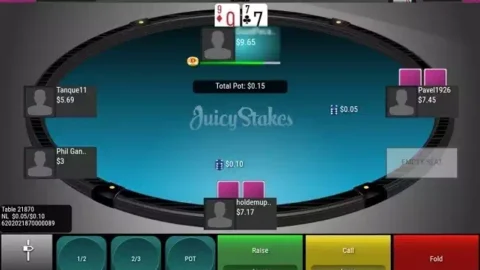
This sounds obvious, but new players consistently skip past the lowest tables, assuming they’re “ready” for something more substantial. Micro stakes — typically ranging from $0.01/$0.02 up to around $0.25/$0.50 — exist specifically so beginners can make real, meaningful mistakes without meaningful financial consequences. Starting anywhere higher than the lowest available stake removes the safety net that makes this learning phase actually useful.
3. Use Freerolls to Build Your First Bankroll From Zero
If you don’t want to deposit any money at all yet, freerolls — free-entry tournaments with real cash prizes — are a legitimate way to build starting capital. The common progression looks like: grind low-field freerolls (often 8–20 entrants), cash out a modest early win (commonly in the $10–50 range), then use that as a bankroll for very small buy-in Sit & Go tournaments (often $1+$0.25 or similar). Once you’ve built that up further, moving into micro-stakes cash games becomes a realistic next step — all without ever risking your own money.
4. Play Far Fewer Hands Than Feels Natural
The single most common beginner leak is playing too many starting hands out of boredom or a desire to be involved in the action. A simple, if oversimplified, starting framework: raise with strong hands (big pairs, strong aces and kings), fold almost everything else, and don’t worry yet about the nuanced, position-based ranges experienced players use. Tight, disciplined play at this stage will lose you less money while you learn everything else.
5. Fix Your Bet Sizing Early
New players consistently under-bet or wildly over-bet relative to the pot — betting a tiny fraction into a large pot, or shoving far more than necessary into a small one. A reasonable starting guideline: most bets should land somewhere between half the pot and the full pot size, adjusted as you learn more nuanced sizing later. Getting comfortable with proportional bet sizing early prevents a habit that’s genuinely hard to unlearn.
6. Understand Position Before Anything Else Strategic
You’ll hear about “position” constantly in poker content, and for good reason — it’s arguably the single biggest structural advantage in the game. Acting later in a betting round means you get to see what everyone else does first. As a beginner, the simplest actionable version of this: play tighter from early position, and allow yourself slightly wider hand selection from the button and the seats just before it.
7. Take Advantage of Low-Cost Tournament Series
Major sites regularly run large guaranteed-prize tournament series built specifically around tiny buy-ins to attract new and casual players — for example, PokerStars’ MicroMillions series has run buy-ins mostly under $10 (some as low as $0.10) while still guaranteeing a $250,000 Main Event and roughly $2 million total across the series. These events are specifically designed to give beginners a shot at meaningful money without meaningful risk — a good target once you’re comfortable with basic SNG or MTT structure.
8. Track Your Sessions From Day One
It’s tempting to skip tracking when you’re just starting out and stakes are tiny, but building the habit early pays off. A simple spreadsheet noting your buy-in, cash-out, and the stake played is enough at this stage — you don’t need advanced software yet. This habit alone will save you from the extremely common beginner trap of remembering big wins vividly while quietly forgetting a string of small losses.
9. Expect to Lose While You Learn — And Budget For It
Nobody starts as a winning player, and treating your first bankroll as pure “tuition” rather than an investment removes a huge amount of pressure. Set aside an amount you’re genuinely comfortable losing entirely while you learn, separate from money you need for anything else. This isn’t pessimism — it’s realistic budgeting for a skill that takes real time to develop.
10. Engage With the Poker Community
Forums, strategy communities, and even casual conversations with more experienced players accelerate learning far faster than playing in isolation. Asking specific questions about hands you weren’t sure how to play — rather than just replaying wins and losses in your head — is one of the fastest ways beginners genuinely improve, because it exposes blind spots you wouldn’t catch reviewing your own play alone.
Putting the Path Together
The realistic beginner journey looks roughly like this: get comfortable with the interface on play money, move to freerolls or the smallest real-money stakes, play tight and track everything, and gradually layer in more nuanced concepts (position, sizing, hand reading) as your basic instincts solidify. Skipping steps — especially jumping to higher stakes before the fundamentals are automatic — is the most common reason beginners lose money faster than they need to while learning.
FAQs
What stakes should a complete beginner start at?
The lowest real-money stakes available on your platform, typically in the $0.01/$0.02 to $0.05/$0.10 range, after a brief period on play money to learn the interface.
Can I really build a bankroll from freerolls alone?
Yes, though it takes patience — the typical path is grinding low-field freerolls for a modest cash-out, then building that into small SNG or cash game buy-ins over time.
How many hands should a beginner play?
Far fewer than feels natural. A tight starting range — strong pairs, strong aces and kings — while folding most other hands is a reasonable, if simplified, starting point.
Is it normal to lose money as a beginner?
Yes, and budgeting for it removes unnecessary pressure. Treat your first bankroll as the cost of learning rather than an investment you expect to grow immediately.
Should beginners use tracking software right away?
A simple manual log of buy-ins, cash-outs, and stakes is enough at first — dedicated tracking software becomes more useful once you’re playing higher volume and want deeper statistical breakdowns.
Disclosure: PokerClubGames may earn a commission when you use links to poker operators. This never changes the price you pay. 18+ (21+ where required). Gambling involves risk. How we make money