
How It’s Draining Your Bankroll Every Session
On this page
Picture this: you’re at the poker table, making tactical moves and studying your opponents, yet somehow your bankroll keeps shrinking. One sneaky culprit could be limping in poker.
What Limping Really Signals
When you choose to limp into a hand, it sends a clear message to solid players at the table – you’re playing passively. Limping often indicates a weak hand, lack of confidence, or indecisiveness.
Why Good Players Punish It
Experienced players see limping as an opportunity to exploit weaknesses. By limping, you’re giving your opponents a chance to control the pace of the game and dictate the pot’s size.
Real Gameplay Scenarios
Imagine this scenario: you limp in with a mediocre hand, hoping to see the flop cheaply. Your opponent, sensing your weakness, raises significantly. Now you’re stuck in a tough spot with a subpar hand and facing a big decision.
What to Do Instead
To break free from the limping trap, consider these alternatives:
1. Raise or Fold
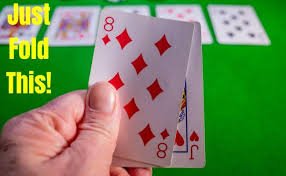
When faced with the decision to limp, ask yourself: Is my hand strong enough to raise, or should I fold? By raising instead of limping, you take control of the hand’s direction and put pressure on your opponents.
2. Play Aggressively
Switch up your gameplay by playing more aggressively. Aggressive players tend to fare better in poker as they assert dominance and keep their opponents guessing.
3. Study Your Opponents
Pay close attention to your opponents’ tendencies. If you notice someone limping often, exploit this by raising or re-raising to put them in uncomfortable situations.
Remember, poker is a game of skill, strategy, and calculated risks. By eliminating limp plays from your arsenal and adopting a more aggressive approach, you’ll likely see improvements in your results and bankroll. So, the next time you’re tempted to limp in, think twice and consider the bigger picture – your long-term success at the poker table depends on it.
Disclosure: PokerClubGames may earn a commission when you use links to poker operators. This never changes the price you pay. 18+ (21+ where required). Gambling involves risk. How we make money